Selecting the Right Multivitamins
Are you looking for the best multivitamin to purchase? If so, you have come to the right place. In this buying guide, we will provide you with information on what to look for when choosing a multivitamin as well as our top recommendations. By following these tips, you can select the multivitamin that is perfect for your needs and lifestyle. So, let's get started!
What Are the Different Types of Multivitamin
Multivitamins come in many different forms, each designed to meet the needs of a specific population.
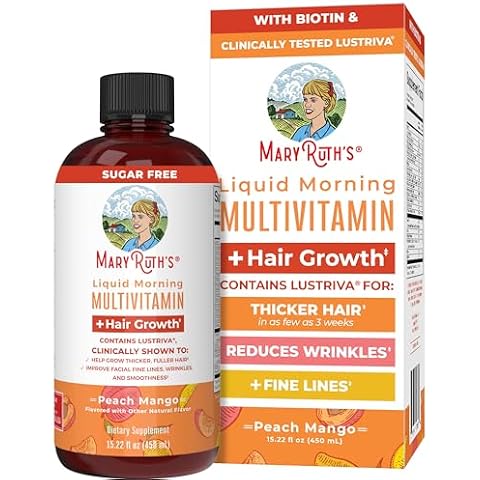
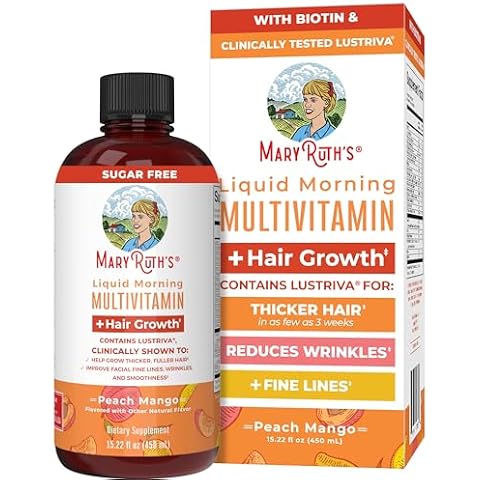
Liquid multivitamins are easy to take and absorb quickly into the body. They are a good choice for people who have difficulty swallowing pills or who have trouble digesting solid food.
Organic and natural multivitamins are made from certified organic ingredients and are free of pesticides and other toxins. They are a good choice for people who are concerned about exposure to chemicals.
Vegan multivitamins are made from plants and do not contain any animal products. They are a good choice for people who follow a vegan diet or who are allergic to or sensitive to animal products.
Gluten-free multivitamins do not contain wheat, barley, or rye, and are a good choice for people with celiac disease or gluten sensitivity. Sugar-free multivitamins do not contain added sugars and are a good choice for people who are trying to limit their sugar intake.
How to choose the right multivitamin
Your Life Stages
Vitamins and minerals are essential for good health, but the specific nutrients needed vary depending on a person's age, sex, and other factors.
For example, pregnant women need more folic acid to help prevent birth defects, while older adults generally need more vitamin B12.
People who don't get enough sunlight may need to take vitamin D supplements, and vegans may need to supplement with vitamins B12 and D since they're typically found in animal products.
Smokers also have increased needs for certain vitamins, including vitamins C and E. Men need more zinc than women, and people who don't eat meat or poultry need more omega-3 fatty acids.
Iodine is important for pregnant women and young children, but not for other groups. Calcium and magnesium are important for all adults, but the body absorbs them better when they are taken together.
It's important to talk to a healthcare provider about which vitamins and minerals are right for you. They can help you determine whether you need a multivitamin or specific supplements based on your diet, lifestyle, and health needs.
Forms
Vitamins are essential nutrients that the body needs in order to function properly. Vitamins can be found naturally in foods, or they can be taken as supplements. There are many different forms of vitamins, and each has its own advantages and disadvantages.
Tablets and capsules are the most common form of vitamins, and they are also the most affordable. The downside to tablets and capsules is that they can be difficult to absorb, and they may not be suitable for people with gastrointestinal issues.
Gummy multivitamins are a popular choice for children, but they can also be taken by adults. The main advantage of gummy vitamins is that they are easy to take and they taste good. However, gummies are more expensive than other forms of vitamins, and they may not contain all of the nutrients that the body needs.
Chewable multivitamins are similar to gummies, but they are designed for adults. They offer the same benefits as gummies, but they tend to be more expensive.
Powder multivitamins are a good choice for people who have trouble swallowing pills. The powder can be mixed with water or juice, and it is easy to absorb. Powder and gel forms of multivitamins are also available, and they can be dissolved in water or taken directly.
Talk to your doctor or pharmacist about which form of multivitamin is right for you.
Your Health Goals
The best way to ensure that you are getting the nutrients you need is to choose a product that is tailored to your specific health goals.
For example, if you are looking to support healthy hair growth, you should look for a multivitamin that contains biotin and other nutrients that are essential for hair health.
If you are concerned about aging, look for a multivitamin with antioxidants that can help to protect your cells from damage.
And if you are interested in boosting your immune system, look for a product that contains Vitamin C and other immune-supporting nutrients.
By taking the time to find a multivitamin that meets your needs, you can give your health a valuable boost.
What Are the Best Brands of Multivitamin
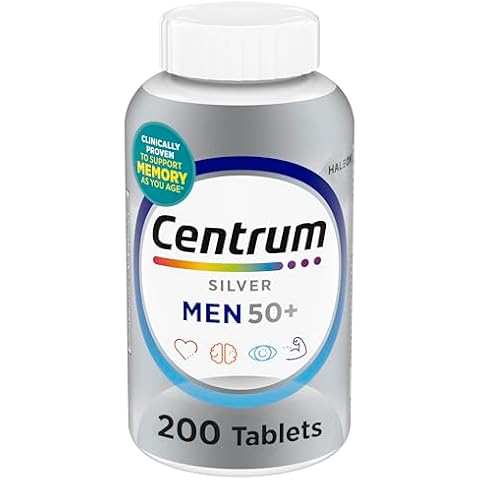
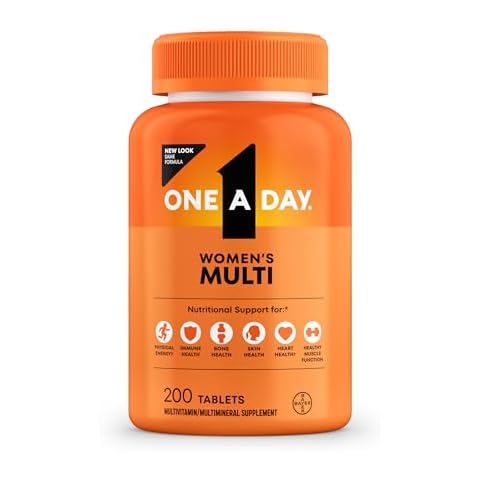
Centrum and One A Day are two of the most popular brands of multivitamin on the market. Both brands offer a wide variety of formulas designed to meet the specific needs of different groups of people.
Centrum multivitamins are available in formulas for men, women, children, and seniors, and One A Day offers formulas for both men and women.
Flintstones and Vitafusion are two brands that offer multivitamins specifically for children, while New Chapter specializes in vitamins and supplements that are certified organic and non-GMO.
When choosing a multivitamin, it is important to consider your specific needs and choose a formula that is tailored to meet those needs.
Conclusion
Now that you know a little more about multivitamins, it’s time to find the right one for you. Check out our buying guide to learn more about the different types of multivitamins and how to choose the best supplement for your needs. With so many options on the market, it can be tough to decide which one is right for you, but we’re here to help.
Frequently Asked Questions (FAQs)
1. Is it good to take a multivitamin everyday?
Taking a reputable multivitamin every day is generally considered safe and unlikely to harm you. However, it is important to note that multivitamins should not be seen as a replacement for a healthy diet. A healthy diet provides numerous other benefits, such as satiety and meeting daily fiber intake.
2. What is the benefit of a multivitamin?
Multivitamins offer various benefits due to their content of essential vitamins. For example, vitamin A supports vision, healthy skin, and proper growth and development. Vitamin B promotes energy levels, psychological well-being, and brain function. Vitamin C provides antioxidant protection, promotes skin health, and strengthens blood vessel walls.
3. Is there a downside to taking a multivitamin?
While multivitamins are generally safe, taking excessive amounts of certain vitamins can lead to toxicity symptoms and potential liver damage. It is important to follow recommended dosage guidelines and not exceed the recommended daily intake of vitamins.
4. Do you feel a difference taking multivitamins?
The effects of multivitamins can vary from person to person. Some individuals may feel a difference in their overall well-being, while others may not notice a significant change. However, taking a multivitamin can help fill nutrient gaps in the diet and support overall health.
5. When should you take multivitamins?
It is generally recommended to take most supplements, including multivitamins, with your largest meal of the day, such as lunch or dinner. Taking them with a meal that contains some fat allows for optimal absorption of fat-soluble vitamins.
6. What happens to your body when you start taking vitamins?
When you start taking vitamins, you may experience various benefits. These can include increased energy levels, improved conversion of food into energy, enhanced short-term memory, a stronger immune system, stronger muscles, and healthier-looking skin.