Frequently Asked Questions (FAQs)
1. Is a shorty wetsuit worth it?
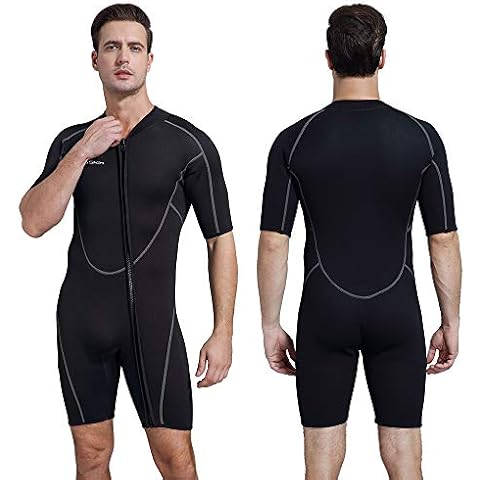
Yes, a shorty wetsuit can be worth it if you want to advance your abilities and have longer sessions in the water. It provides a balance of temperature by keeping your core warm while allowing your arms and legs to remain cool.
2. Do shorty wetsuits keep you warm?
Yes, shorty wetsuits do keep you warm. They are designed to provide insulation in the water. Choosing a good quality neoprene from a reputable manufacturer can ensure the best performance and warmth.
3. What is the easiest wetsuit to put on and take off?
Back zip wetsuits are the easiest to put on and take off. The zipper is located on the back, away from the body, making it easier to access. They also offer greater flexibility and range of motion, making them ideal for active water sports.
4. Do you wear a swimsuit under a shorty wetsuit?
You can wear a thin garment like a rash vest, compression shorts, or a bikini for comfort under a shorty wetsuit. Some people may choose to wear nothing at all. For added warmth, a thermal hooded rash vest can be worn.
5. Does wearing clothes under wetsuit keep you warm?
Wearing a 3mm shorty under or over your full wetsuit can provide extra insulation to your core. Additionally, thermal products designed for layering under your wetsuit can significantly enhance warmth. These options can help keep you warm in the water.
6. Should you wear anything under a wetsuit?
Whether to wear something under your wetsuit or not is a personal preference. Some people prefer wearing nothing for maximum comfort, while others wear a thin garment for added warmth or to prevent chafing. It depends on the individual, the sport, and the water temperature.
7. Is it better to have a tight or loose wetsuit?
Wetsuits should be snug but not overly tight. They need to be form-fitting to provide proper insulation and functionality. However, you should still be able to move freely and breathe comfortably while wearing it. It's recommended to try on your wetsuit before your water activities to ensure a comfortable fit.
8. What can I wear instead of a wetsuit?
If wetsuits aren't allowed or not needed for extra coverage, you can consider wearing a kneeskin in pools or open water. Kneeskins provide some buoyancy and warmth without the need for a full wetsuit.