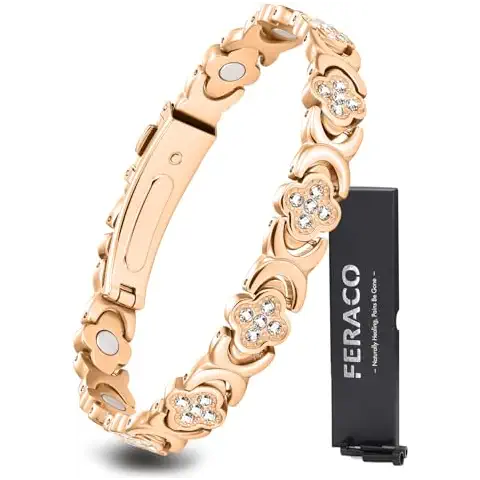
How to Choose the Best Magnetic Rings
Introduction
When it comes to jewelry, magnetic rings can be a great choice for people who want to make a unique and stylish statement. Magnetic rings have been around for thousands of years and come in a variety of styles. Whether you’re looking for a subtle, elegant ring or a bold statement piece, there are magnetic rings that suit any taste.
What to Look for in Magnetic Rings
When choosing a magnetic ring, it’s important to consider the material, size, and design of the ring. The material of the ring will determine its durability and appearance. Common materials for magnetic rings include stainless steel, titanium, and gold. Size is also important, as the ring should fit comfortably on the finger. Lastly, the design of the ring should reflect your personal style and taste.
Quality Matters
When it comes to magnetic rings, quality is key. It’s important to purchase rings made from high-quality materials that will stand the test of time. Look for rings made from stainless steel, titanium, or gold as these materials are more durable and will last longer. Additionally, it’s important to purchase from a reputable source to ensure that the ring is made from authentic materials.
Consider Magnetic Strength
When choosing a magnetic ring, it’s important to consider the strength of its magnetic field. Magnetic rings come in a variety of strengths, ranging from low to high power. Generally, high-power rings provide more health benefits, such as improved circulation and pain relief. However, if you’re sensitive to magnetic fields, it’s best to stick with a lower power ring.
Research Different Brands
When purchasing a magnetic ring, it’s important to research different brands to ensure you’re getting the best quality product. Look for brands that use high-quality materials and have a good reputation. Additionally, some brands specialize in certain types of magnetic rings, such as titanium or stainless steel.
Consider Your Budget
Finally, when choosing a magnetic ring, it’s important to consider your budget. Magnetic rings can range in price from a few dollars to hundreds of dollars. Consider your budget before making a purchase to ensure you’re getting the best quality product for the price.
Conclusion
When choosing a magnetic ring, it’s important to consider the material, size, design, and strength of the ring. Quality matters when it comes to magnetic rings, so it’s important to purchase from a reputable source. Additionally, research different brands and consider your budget to ensure you’re getting the best quality product for the price. With the right magnetic ring, you’ll be sure to make a statement.
Frequently Asked Questions (FAQs)
1. Which finger do you wear a magnetic ring on?
You can wear a magnetic ring on any finger. It is commonly used for arthritis pain relief in the fingers or knuckles.
2. What is a magnetic ring for blood circulation?
A magnetic ring is used for biomagnetic therapy, which aims to improve blood circulation and stimulate the nervous system. It is a non-invasive and safe method of applying magnetic fields to various parts of the body for therapeutic purposes.
3. Who should not wear magnetic jewelry?
Individuals with pacemakers, defibrillators, insulin pumps, or other electronic implanted medical devices should avoid wearing magnetic jewelry. Pregnant individuals should consult with their doctor before wearing any type of magnetic jewelry.
4. Is it okay to wear magnetic jewelry?
Yes, wearing magnetic jewelry is generally safe for individuals without any underlying health conditions. Magnets are natural and harmless, as we are surrounded by magnets in our natural environment. However, if you have any specific ailments or health concerns, it is best to consult with a healthcare professional.
5. What are the different types of ring magnets?
There are various types of ring magnets available, including neodymium, ferrite, cobalt, and alnico magnets. Neodymium magnets have a strong magnetic force and are used in a wide range of applications. Ferrite magnets have a weaker magnetic force but higher retentivity.
6. Do magnets really help with blood flow?
Magnets have been found to have an effect on blood viscosity, reducing its thickness and promoting better blood flow. However, the effects may be temporary and gradually return to the original state after the magnetic field is removed.