Frequently Asked Questions (FAQs)
1. What are the items for sound healing?
Sound healing utilizes various instruments, such as gongs, tuning forks, temple bells, handpans, tongue drums, tingshas, rain sticks, ocean drums, chimes, didgeridoos, kalimbas, and udus. These instruments produce different sounds and vibrations to promote relaxation and healing.
2. What equipment is used in sound therapy?
The most commonly used instruments in sound therapy are singing bowls, gongs, chimes, and bells. These instruments create soothing sounds and vibrations that can help induce a state of relaxation and balance.
3. Can you do sound therapy on yourself?
Yes, you can practice sound therapy on yourself. Tibetan singing bowls are one of the ancient tools used for self-healing. They can provide various benefits, such as better sleep, improved focus and attention, relaxation, pain relief, and overall peace of mind.
4. What is an example of sound therapy?
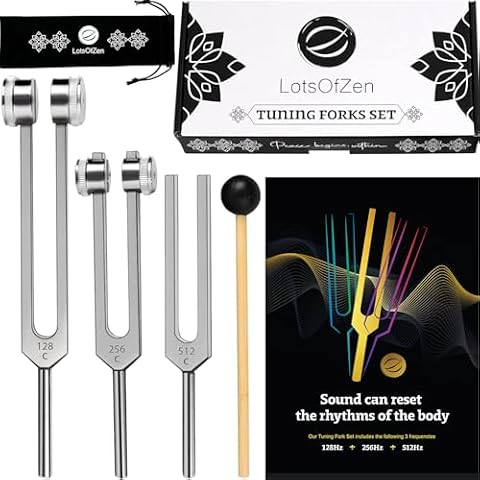
An example of sound therapy is tuning fork therapy. This technique involves using calibrated metal tuning forks to apply specific vibrations to different parts of the body. It aims to release tension, promote emotional balance, and stimulate energy flow, similar to acupuncture but using sound frequencies instead of needles.
5. What are the 4 pillars of sound healing?
The four main concepts in sound healing are harmonics, cymatics, entrainment, and binaural beats. These principles form the foundation of sound healing practices and explore the effects of sound vibrations on the body, mind, and energy systems.
6. What are the different types of sound therapy?
There are several types of sound therapy, including binaural beats, tuning fork therapy, vibrational sound therapy, and music healing. Although further research is needed to determine their effectiveness, these techniques have shown promise in promoting relaxation, balance, and overall well-being.
7. What are the disadvantages of sound therapy?
One potential disadvantage of sound therapy is that the wrong choice of music or lyrics can cause distress and anxiety, particularly in individuals with Alzheimer's disease. It is important to consider the individual's mental state and choose appropriate sounds or music that promote a positive and calming experience.