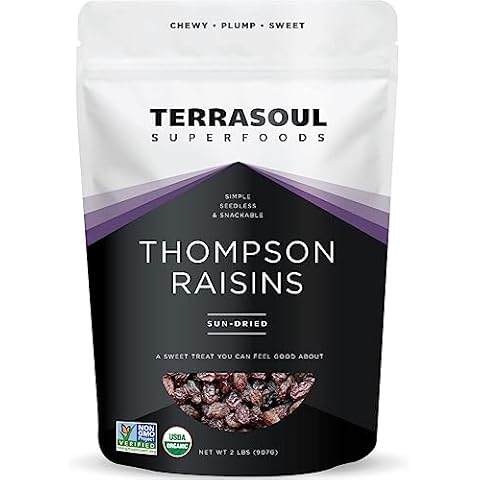
The Basics of Choosing the Organic Raisins
Introduction
Raisins are a delicious and healthy snack that can be enjoyed by people of all ages. They are a great source of vitamins and minerals, and are also low in calories. However, not all raisins are created equal. When it comes to choosing the best raisins for your needs, it is important to consider the type of raisins you are buying, as well as their source and how they were processed.
The Importance of Choosing Organic Raisins
One of the most important factors to consider when choosing raisins is whether they are organic or not. Organic raisins are raisins that are produced without the use of synthetic pesticides, fertilizers, or other harmful chemicals. These chemicals can be harmful to the environment and to the people who consume the raisins.
Organic raisins are also healthier for you because they are not treated with chemicals that can be harmful to your health. Non-organic raisins may contain residue from the pesticides and fertilizers that were used to grow the grapes, which can be harmful if ingested.
How to Choose the Best Organic Raisins
When it comes to choosing the best organic raisins, there are a few things you should keep in mind. First and foremost, look for raisins that are labeled as "organic" on the packaging. This will ensure that you are getting raisins that have been produced in accordance with organic standards.
In addition to looking for the organic label, you should also consider the source of the raisins. Some raisins are grown in countries where organic standards may not be as strict as they are in the United States. If possible, look for raisins that are grown and processed in the United States, as this will provide you with the highest quality organic raisins.
Another important factor to consider is how the raisins were processed. Some raisins are treated with sulfites to preserve their color and extend their shelf life. However, sulfites can be harmful to some people, so it is important to choose raisins that are not treated with sulfites. Look for raisins that are labeled as "unsulfured" to ensure that they have not been treated with sulfites.
Conclusion
In conclusion, choosing organic raisins is an important step towards ensuring that you are getting the healthiest and most delicious raisins possible. By looking for the organic label, considering the source of the raisins, and avoiding raisins that have been treated with sulfites, you can find the best organic raisins for your needs.
Frequently Asked Questions (FAQs)
1. Is it worth buying organic raisins?
Yes, it is worth buying organic raisins when possible. Organic raisins tend to have fewer pesticide residues compared to conventional ones, as they are produced without the use of certain pesticides. Additionally, organic raisins cannot be fumigated.
2. What is different about organic raisins?
The main difference between organic raisins and conventional ones is the presence of pesticide residues. Organic raisins are less likely to contain pesticide residues, making them a better choice for those concerned about pesticide exposure. In terms of nutrients, both types of raisins contain similar amounts of potassium, manganese, iron, calcium, and vitamin K.
3. Should organic raisins be refrigerated after opening?
After opening, it is recommended to store organic raisins tightly sealed in the refrigerator to maintain their quality for up to six additional months. Alternatively, they can be frozen for one month. This helps preserve the freshness and taste of the raisins.
4. Are organic raisins safe to eat?
Yes, organic raisins are safe to eat in small quantities for most individuals. However, consuming a large serving of raisins can have a laxative effect due to their high fiber content. It is important to consume them in moderation and be mindful of the recommended serving size.
5. Should raisins be washed before eating?
Raisins do not need to be washed before eating. However, in certain recipes or applications, such as when they need to be plumped, soaking raisins in water, wine, or other alcohol is recommended.
Editor's Notes
During our organic raisin research, we found 24 organic raisin products and shortlisted 10 quality products. We collected and analyzed 138,565 customer reviews through our big data system to write the organic raisins list. We found that most customers choose organic raisins with an average price of $12.58.
The organic raisins are available for purchase. We have researched hundreds of brands and picked the top brands of organic raisins, including 365 by Whole Foods Market, Sun-Maid, Terrasoul Superfoods, Yupik, Elan. The seller of top 1 product has received honest feedback from 384 consumers with an average rating of 4.7.
Ashley Abels is a former restaurant executive and has worked in the restaurant industry for 15 years. She is also a gourmet who loves tasting different cuisines and trying out all kinds of cooking methods. The food she writes about will make you want to try it!