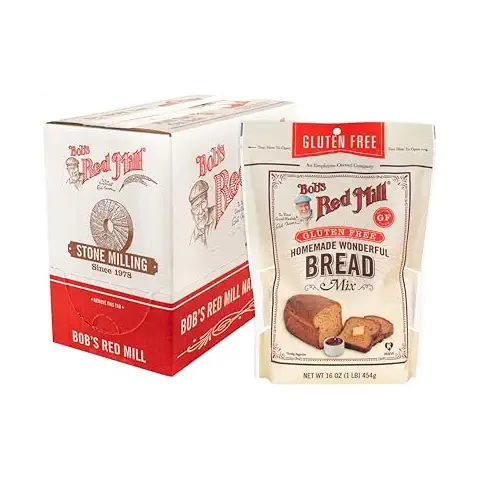
Why We Recommend Bread Mixes
Introduction
Bread mixes come in a variety of forms, from savory to sweet, and can offer a delicious and convenient way to make your own loaf of bread. Whether you prefer a classic loaf of white bread, a hearty whole grain, or a decadent dessert bread, it's easy to find the perfect mix to suit your needs. In this guide, we'll discuss the different types of bread mixes available, and provide tips on how to choose the right one for you.
Types of Bread Mixes
When it comes to choosing a bread mix, you have a few different options. The most common type of bread mix is the all-purpose mix, which is designed to work with a variety of recipes, from sandwich bread to dinner rolls. These mixes usually feature a combination of flour, yeast, and other ingredients, and often include a packet of dried seasonings or herbs.
Whole grain mixes are also popular, and are made from a blend of whole wheat, oats, and other grains. These mixes are a great way to add extra nutrition to your bread, and often include ingredients like flaxseed, chia seeds, and other superfoods.
If you're looking for something a bit more indulgent, there are also sweet bread mixes available. These mixes often contain chocolate chips, dried fruit, and other sweet ingredients. Whether you're making a chocolate cake, banana bread, or a fruity loaf, these mixes are a great way to get started.
Considerations When Choosing a Bread Mix
When selecting a bread mix, there are a few key factors to consider. First, take a look at the ingredients list to make sure it is free of any artificial colors, flavors, or preservatives. Additionally, check the label to determine what type of flour is used; all-purpose flour is a great choice for most recipes, while whole wheat flour is better suited for hearty, whole grain recipes.
The preparation time is also an important factor to consider. If you're pressed for time, look for a mix that requires minimal kneading or rising time. Additionally, some mixes are designed for use in a bread machine, making them even easier to prepare.
Finally, consider the type of recipes you will be making. Some mixes are designed for specific recipes, such as cinnamon rolls or focaccia, while others are more versatile and can be used for a variety of recipes.
Conclusion
Choosing the right bread mix can help you create delicious and nutritious loaves of bread. All-purpose mixes are great for everyday baking, while whole grain mixes offer extra nutrients and flavor. Sweet bread mixes are a great way to make decadent desserts, and some mixes are even designed for use in a bread machine. When selecting a mix, be sure to read the label to check for artificial ingredients and to determine the type of flour used. Consider the preparation time and type of recipes you will be making, and you'll be sure to find the perfect mix for your needs.
Frequently Asked Questions (FAQs)
1. How do you use bread mix?
To use bread mix, you typically need to place it in a bowl or food mixer, add water, and mix it together for around 5 minutes until a ball of dough forms. Next, let the dough rest for 5 minutes on a floured surface. After that, shape the dough and place it on a greased baking tray or in a loaf tin. For rolls, you can divide the dough into small balls. Follow the specific instructions on the bread mix packaging for best results.
2. Is multigrain bread really better?
Multigrain bread can be a healthier option compared to white bread. It generally has a lower glycemic index and can provide more nutrients. However, the nutritional value of multigrain bread depends on whether it is made with whole grains and which grains are included. For the healthiest option, choose whole grain multigrain bread.
3. What happens if I use all-purpose flour instead of bread flour?
Using all-purpose flour instead of bread flour in your bread dough can result in a less strong gluten network due to the lower protein content. This can lead to a dough that doesn't stretch as much, resulting in smaller bubbles and a tighter crumb in the bread. It's best to use bread flour when the recipe calls for it to achieve the desired texture and structure.
4. Do you just add water to bread mix?
When using a bread mix, you typically add water to the mix along with flour, salt, and yeast. It's important to use lukewarm water, as water that is too hot can kill the yeast. Follow the instructions provided with the bread mix for the specific water-to-mix ratio and any additional ingredients or steps required.
5. Do you need yeast with bread mix?
Most bread mixes already include yeast, so you do not need to add additional yeast. The yeast is usually included in the mix to help the dough rise and create a fluffy texture. However, it's still important to follow the instructions on the bread mix packaging to ensure the best results. Some bread mixes may require additional ingredients or steps to achieve the desired outcome.