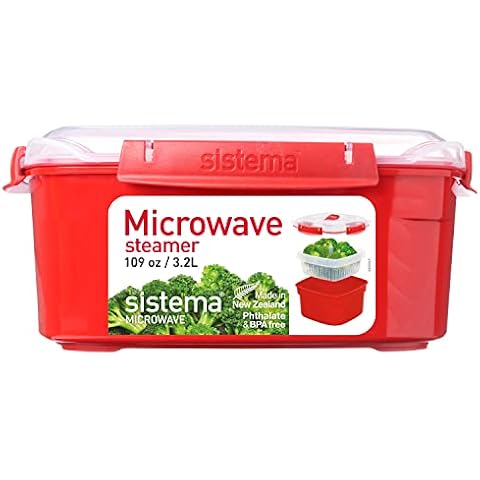
How to Choose The Right Steamers for Your Home
Introduction to Steamers
Steamers are an essential kitchen appliance for any home cook or professional chef. These versatile machines can be used to cook a wide range of foods, from steamed vegetables and dumplings to seafood and even desserts. Choosing the right steamer can be a daunting task, as there are many different types and brands available on the market. In this article, we will provide some helpful tips on how to choose the best steamer for your needs.
Consider Your Cooking Needs
One of the most important factors to consider when choosing a steamer is the type of food you will be cooking. If you are planning on steaming a lot of vegetables, a small, compact steamer with multiple tiers may be your best option. These steamers are perfect for steaming different types of vegetables at the same time, allowing you to save time and effort in the kitchen.
On the other hand, if you are planning on steaming large cuts of meat or whole fish, a larger steamer with a single, spacious basket may be more suitable for your needs. These steamers are ideal for cooking large portions of food, and they often come with additional features such as a built-in thermometer or a timer to help you cook your food to perfection.
Material and Construction
Another important factor to consider when choosing a steamer is the material and construction of the appliance. Steamers are typically made from either stainless steel or aluminum, and each material has its own unique advantages and disadvantages.
Stainless steel steamers are generally more durable and long-lasting than their aluminum counterparts. They are also resistant to rust and corrosion, making them ideal for use in damp kitchen environments. However, they are often more expensive and can be heavy, which may make them less suitable for those with limited storage space.
Aluminum steamers, on the other hand, are generally more affordable and lightweight. They are also excellent heat conductors, which means that they can heat up quickly and evenly. However, they are not as durable as stainless steel steamers and can be prone to dents and scratches.
Additional Features
In addition to the material and construction of the steamer, you should also consider the additional features that the appliance offers. Some steamers come with additional baskets or trays that allow you to steam multiple foods at the same time, saving you time and effort in the kitchen.
Other steamers come with built-in thermometers or timers, which can be incredibly useful for ensuring that your food is cooked to perfection. These features can also help you to avoid overcooking or undercooking your food, ensuring that you always get the best results.
Price and Brand
Finally, you should also consider the price and brand of the steamer when making your decision. While it can be tempting to opt for the cheapest steamer available, it is important to remember that quality often comes at a price. Investing in a high-quality steamer from a reputable brand can help to ensure that you get the best performance and durability from your appliance.
At the same time, it is important not to overspend on a steamer. Shop around and compare prices from different retailers to find the best deals and offers. You should also look out for sales and discounts, as these can help you to save money on your purchase.
Conclusion
In conclusion, choosing the right steamer for your needs can be a challenging task. However, by considering your cooking needs, the material and construction of the steamer, the additional features, the price, and the brand, you can find the perfect steamer for your kitchen.
Frequently Asked Questions (FAQs)
1. What is steamer used for?
Steamers are used primarily to cook vegetables, seafood, and other foods where moisture retention is essential to visual appearance and taste. Food cooked in a steamer also maintains more of its nutritional value.
2. Are steamers good for cooking?
It's a far gentler form of cooking than most, retaining the flavour and texture of all foods. Steamers aren't just for veg, either – they can also be used to cook meat, fish, shellfish, eggs (in their shells), pasta, grains and even puddings. Steaming can be as simple as a colander over a pan of boiling water.
3. What pan do you use for steaming?
A pot or wok with a lid. A heat-proof dish that can fit inside the wok or pot. Something to prop up the dish above the water, like a metal steam rack or a clean metal can.