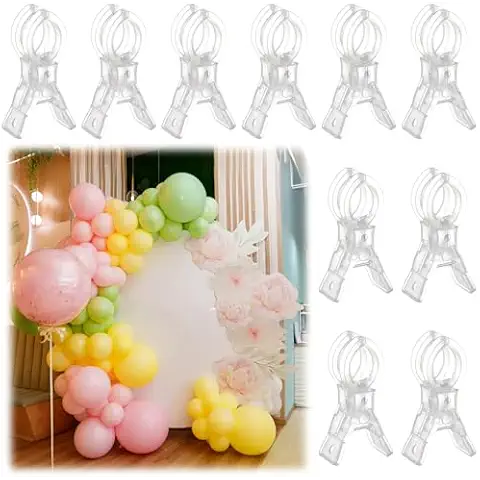
The Ultimate Spring Clamps Buying Guide
Introduction to Spring Clamps
Spring clamps are an essential tool for a wide variety of tasks, from securing workpieces in a woodshop to holding fabrics in place while sewing. These versatile clamps are easy to use and can provide a great deal of holding power, making them an indispensable addition to any toolkit.
Choosing the Right Size
One of the most important factors to consider when choosing spring clamps is the size. Spring clamps are available in a range of sizes, from small clamps that can hold just a few ounces of weight to large clamps that can hold several pounds. The size you choose will depend on the type of work you plan to do and the materials you will be working with.
For example, if you are working with small, delicate items, you will need a smaller spring clamp. These clamps are ideal for holding lightweight materials such as fabrics, papers, and thin wood. On the other hand, if you are working with heavier materials such as thick wood or metal, you will need a larger spring clamp that can provide more holding power.
Material and Finish
Another important factor to consider when choosing spring clamps is the material and finish. Spring clamps are typically made from metal, such as steel or aluminum. The type of metal you choose will depend on the strength and durability you need. Steel spring clamps are the strongest and most durable option, but they can also be heavy and more expensive. Aluminum spring clamps are lighter and less expensive, but they may not be as strong as steel clamps.
In addition to the material, you should also consider the finish of the spring clamp. Some spring clamps have a smooth, polished finish that can protect against rust and corrosion. Others have a rough, textured finish that can provide extra grip and holding power. The type of finish you choose will depend on your personal preference and the type of work you will be doing.
Jaws and Tips
Another important feature to consider when choosing spring clamps is the jaws and tips. The jaws of the clamp are the part that opens and closes to hold the materials in place. The tips are the part that makes contact with the materials you are holding.
There are several different types of jaws and tips to choose from, each designed for different types of work. Some spring clamps have soft, padded jaws and tips that are gentle on delicate materials. Others have sharp, pointed tips that can penetrate dense materials such as wood or metal. The type of jaws and tips you choose will depend on the materials you will be working with and the level of holding power you need.
Conclusion
In conclusion, choosing the right spring clamps for your needs can be a daunting task. However, by considering factors such as size, material, finish, and jaws and tips, you can find the perfect spring clamps for your work. With the right spring clamps in your toolkit, you will be well-equipped to tackle a wide range of tasks with ease and efficiency.
Frequently Asked Questions (FAQs)
1. What is a spring clamp used for?
A spring clamp is a hand tool used for applying clamping pressure quickly and easily. It is designed to hold down materials for various indoor and outdoor tasks, providing a decently strong clamping pressure.
2. Are spring clamps safe?
Spring clamps are generally safe to use. However, there are some considerations to keep in mind. Attaching additional objects to the spring clamp may interfere with its function and cause wear. It's also important to ensure that spring clamps do not come in contact with wheel wells or other components that could potentially cause damage.
3. Are spring clamps better than worm clamps?
Spring clamps are often considered better than worm clamps for several reasons. Spring clamps tend to last longer and provide consistent tension as long as the tabs are in their default state. In contrast, worm gear clamps may loosen over time, potentially leading to hose leaks.
4. Are spring clamps strong?
Yes, spring clamps are designed to provide decently strong clamping pressure. They are capable of holding down materials for both indoor and outdoor tasks effectively.