The Ultimate Running Waist Packs Buying Guide
Introduction to Running Waist Packs
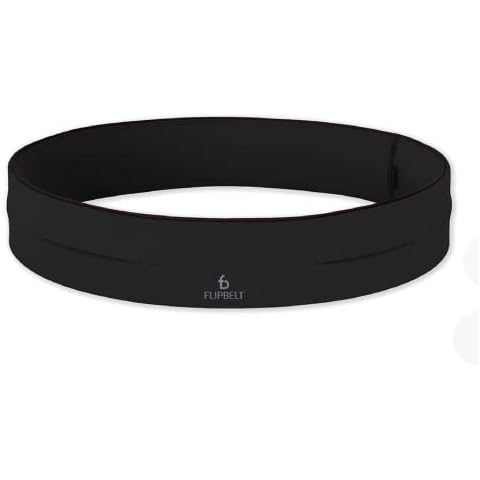
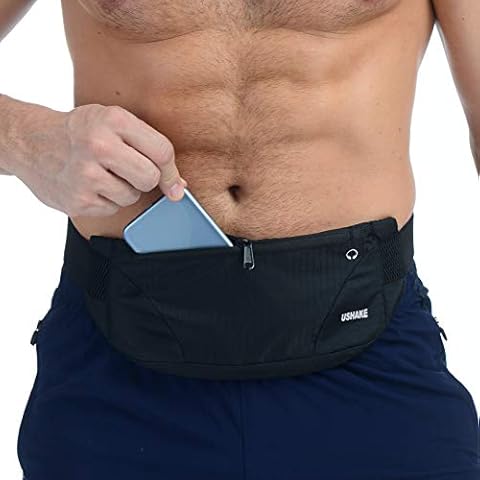
Running waist packs, also known as running belts or fuel belts, are a popular and convenient option for carrying essentials while on a run. These small, lightweight packs are worn around the waist and allow runners to easily access items such as water, keys, and phone while on the go. Choosing the right running waist pack can be overwhelming, with a wide variety of styles, sizes, and features available on the market. In this article, we will discuss some key factors to consider when choosing a running waist pack.
Size and Capacity
One of the first things to consider when choosing a running waist pack is the size and capacity. Consider how much gear you typically bring on a run and choose a pack that has enough space to accommodate all of your essentials. Larger packs may have more pockets and compartments, but they can also be bulkier and more cumbersome to wear. On the other hand, smaller packs may not have as much storage space, but they can be more comfortable and less obtrusive to wear. It is important to find a balance between capacity and comfort.
Material and Durability
Another important factor to consider when choosing a running waist pack is the material and durability. Look for packs made from high-quality, water-resistant materials such as nylon or polyester. These materials will protect your belongings from the elements and ensure that your gear stays dry and safe. Additionally, look for packs with reinforced seams and zippers, as well as reflective details for added visibility in low-light conditions.
Comfort and Fit
When choosing a running waist pack, it is important to consider the comfort and fit. A pack that is too tight or too loose can be uncomfortable and cause chafing or rubbing. Look for packs with adjustable waistbands and a snug, secure fit. Some packs also have padded waistbands or ventilated panels for added comfort.
In addition to the basic features mentioned above, some running waist packs also have extra features such as water bottles, pockets for nutrition, or a built-in phone holder. These features can be useful for longer runs or races, but they can also add weight and bulk to the pack. Consider whether you need these extra features and choose a pack that strikes the right balance between functionality and comfort.
Conclusion
In conclusion, choosing the right running waist pack requires careful consideration of size, material, fit, and extra features. By considering these factors, you can find a pack that is comfortable, durable, and functional for your needs. With the right running waist pack, you can enjoy your runs with peace of mind, knowing that your essentials are safe and easily accessible.
Frequently Asked Questions (FAQs)
1. Is waist bag good for running?
Yes, a good running waist bag, like a fanny pack or running belt, is ideal for running. It can hold essential items such as phone, keys, and credit cards without bouncing or chafing. It also complements your workout attire and sneakers.
2. Should I wear a fanny pack while running?
If you are not a professional runner and prefer having a bag to keep your items, a fanny pack is a good choice. It provides a pouch to hold your belongings securely. However, if you prefer a modern feel or want to run without any interference, a running belt may be a better option.
3. Should running belt be on waist or hips?
For optimal positioning, wear a running belt with the pouch in front, placed low and at the widest part of your hips. It's important to measure your hips beforehand to find the right-sized belt. Adjustable straps on the running belt can provide a better fit.
4. Should running waist bags go in front or back?
Running waist bags can be positioned behind, to the side, or even in the front, depending on what feels most comfortable for you. Experiment with different positions to find the one that suits you best.
5. How do I carry my phone while running?
There are several ways to carry your phone while running: tuck it into a running belt, stash it in your pants, tuck it into your sports bra, clip it to your clothing, or stow it in your hydration pack. Choose the method that feels most secure and convenient for you.
6. How tight should a running belt be?
To determine if your running belt is the right fit, lift it up by the sides at the center of the frame. You should be able to lift the belt by approximately 2 or 3 inches. If it lifts up considerably more or is too tight to lift, then the belt is not properly adjusted.
7. Are running vests or belts better?
For shorter runs, a running belt is the most practical solution as it can hold essential items. However, for longer runs that require more fluids or additional gear, a fluid vest or running backpack may be a better choice.
Editor's Notes
During our running waist pack research, we found 24 running waist pack products and shortlisted 10 quality products. We collected and analyzed 392,927 customer reviews through our big data system to write the running waist packs list. We found that most customers choose running waist packs with an average price of $14.70.
The running waist packs are available for purchase. We have researched hundreds of brands and picked the top brands of running waist packs, including MAXTOP, Fitgriff, Gymreapers, WATERFLY, lululemon. The seller of top 1 product has received honest feedback from 756 consumers with an average rating of 4.9.
Jason Kiser is an editor who lives in California, he previously worked in a travel agency for ten years, which enabled him to travel a number of interesting countries and experience several different cultures along the way. His range of job and travel experiences grant him expertise in hiking, camping, outdoors and fitness.