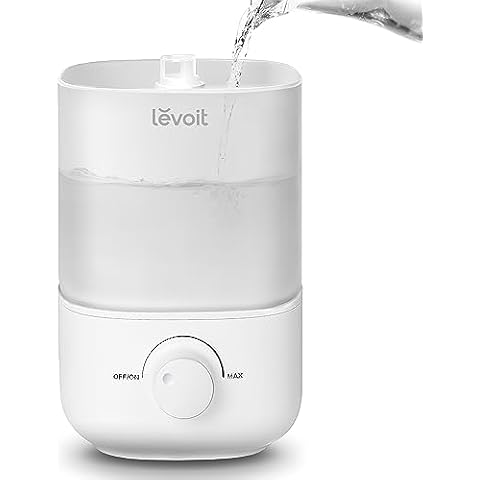
Choosing the Best Humidifiers to Build Your Dream Home
To prevent dryness in the airways, skin or hair, and improve the symptoms of allergies and dry cough, a humidifier can be a practical and effective solution. However, there are certain features that must be taken into account before purchasing these devices.
First of all, you should know that there are two types of humidifiers: hot steam and cold steam. Another point is the power of the equipment, which must be sufficient to maintain constant steam.
This guide to buying the best humidifier seeks to offer you the possibility of knowing the most important aspects to consider. Whether you want to buy a humidifier to avoid as much as possible the dryness of the skin and lips or that you really need one to relieve the symptoms caused by allergies. If you follow this guide you can make a comparison of humidifiers in a way more objective. Read on!
What to Consider When Buying a Humidifier
Humidifier type
There are two large groups of humidifiers, those of cold steam and those of warm steam. The hot steam humidifiers heat the water to its boil and thus release the humidity of the steam.
They have a sterilizing action, in addition to preventing the development of bacteria, but they are a bit noisy and can cause burns, they also require permanent maintenance to prevent lime from accumulating.
Cold steam humidifiers are classified as evaporative and ultrasonic. They refresh the air in the room in which they are placed and there is a lower risk of accidents because there is no heat in between.
However, with this type of cold evaporative humidifiers, the humidity level cannot be regulated and the fan that expels the humidity towards the room can make some noise. They require periodic cleaning of the filters as maintenance.
Then there are the ultrasonic cold steam humidifiers, they are the most recommended because you can regulate the humidity level and spend less electricity. In addition, they are silent and do not need any filters and therefore do not require maintenance in this regard.
Humidifier power
When you see the characteristics of a humidifier, check the area of action that the manufacturer intends to have. These data tend to be a bit overestimated, so it is better to buy one that offers you a larger area of the room in which you will place the humidifier. Many people will choose to use battery operated humidifiers in small rooms.
This is what we mean when we talk about humidification capacity. If the power of the humidifier is low, we will not achieve the optimum level of humidity and if it is too high, we can cause condensation and even aggravate health problems, by favoring the proliferation of bacteria and even mold. Therefore, it is advisable to use humidifiers in which the humidity level can be controlled.
Brand
Honeywell is one of the most popular brands of humidifier on the market. Their products are known for their reliability and performance, and they offer a wide range of models to choose from. LEVOIT is another well-known brand, and their humidifiers are similarly high-quality.
Elechomes is another good option, offering both ultrasonic and evaporative humidifiers. Crane is another company worth considering, especially if you're looking for an attractive design. Finally, Vicks is a trusted name when it comes to humidifiers, and they offer both cool mist and warm mist models.
Deposit Size
The size of the tank directly affects the autonomy time of the humidifier. When the water runs out, it can no longer function. Some have deposits of only half a liter and some have up to more than 10 liters.
Ease of maintenance
Find out what kind of maintenance the models you consider required. In some cases, it is filter cleaning, tank cleaning, etc. It should be easy to clean and if you need supplies, such as filters, make sure you buy a recognized brand humidifier that ensures the availability of those filters for at least a certain time.
Added Features
A humidifier can come with many features, including a night light and remote control. These added features can be very helpful, especially at night or when you're trying to conserve energy.
What Size Humidifier do You Need?
Humidifiers come in all shapes and sizes, from whole house humidifiers that can humidify an entire home to small, portable units that are designed for a single room.
So, how do you know which size humidifier you need? The first step is to determine the coverage area of the unit. For a small room, such as a bedroom or office, a small humidifier may be sufficient. For larger rooms or spaces, like a living room or open concept kitchen, you'll need a larger unit like the whole house humidifier.
You may also want to consider a car humidifier if you live in a dry climate or spend a lot of time driving. Ultimately, the size of the humidifier you need will depend on the space you're trying to cover. Be sure to choose a unit that's properly sized for your needs in order to maximize its effectiveness.
Are Humidifiers Loud?
One of the most common questions people have about humidifiers is whether or not they are loud. In general, however, most humidifiers do make some noise when they are running. If you are concerned about noise levels, it is best to choose a humidifier that has adjustable speed settings. This way, you can run the humidifier at a lower setting if you find that it is too loud for your liking. Ultimately, the decision of whether or not to use a humidifier is a personal one. If noise is a major concern for you, there are a variety of quiet options available on the market.
Conclusion
Ultimately, the best humidifier for you depends on your specific needs and preferences. We hope that this guide has helped you narrow down your choices and given you a better idea of what to look for when shopping for a humidifier. Remember to consider the size of the room, how often you’ll use it, and your budget when making your decision. Happy humidifying!
Frequently Asked Questions (FAQs)
1. What does a humidifier do for you?
Humidifiers help relieve common symptoms like a dry, itchy throat, and runny nose by soothing the tissue in your nose and throat. However, it's important to maintain a balanced humidity level as too much humidity can lead to the spread of dust mites and mold, which can worsen allergies and asthma.
2. Is it good to sleep with a humidifier?
Using a humidifier at night can have significant benefits. It can help you sleep better and maintain a healthy body. Maintaining a relative humidity level between 40 and 60% indoors, particularly during winter and summer, can provide surprising benefits for your health.
3. What are the disadvantages of a humidifier?
Humidifiers can potentially emit minerals and microorganisms that may bother people with asthma. To avoid this, it is recommended to use distilled water instead of tap water and ensure all parts of the humidifier are dry before storing to prevent mold growth.
4. Which is better, an air purifier or a humidifier?
Humidifiers and air purifiers serve different purposes. While humidifiers increase moisture levels in the air, air purifiers are more beneficial for those with respiratory issues worsened by dry air. Both can be beneficial depending on your specific needs.
5. How do I know if I need a humidifier?
If you have dry skin, cracked lips, and find that extra lotion and moisturizer are not providing relief, dry air may be the cause. Using a humidifier at night or during the day, especially in dry office environments, can help alleviate these symptoms.
6. Can I use tap water in a humidifier?
While it is technically possible to use tap water in a humidifier, it is not recommended. Tap water can result in mold and bacteria growth inside the humidifier. It is advised to use demineralized, distilled, or purified water to minimize these risks.
7. Where should I put a humidifier in the bedroom?
The best place to put a humidifier in your bedroom is a few feet away from your bed. This helps to prevent the air from becoming too dry at night and can aid with congestion, dry skin, allergies, and other related issues.
8. What is the healthiest type of humidifier?
In general, cool mist humidifiers are considered the safest option, especially if you have children or pets around. Warm mist humidifiers can run hot and may cause burns if you get too close.
9. Which is better, a steam or cool-mist humidifier?
Both steam and cool-mist humidifiers are equally effective in humidifying the air. Research has shown that heated humidifiers do not provide additional benefits for cold symptoms. By the time the water vapor reaches the lower airways, it is the same temperature regardless of whether it started out warm or cool.
10. Who should not use a humidifier?
If you or your child has asthma or allergies, it is recommended to consult with a healthcare provider before using a humidifier. While cool-mist humidifiers may help with a child's stuffy nose during a cold, heated humidified air does not seem to have the same effect.