Choosing the Best Air Conditioners to Build Your Dream Home
Introduction
If you're in the market for a new air conditioner, you may be feeling a bit overwhelmed by all of the options available. With so many different brands, models, and sizes to choose from, it can be tough to know where to start. But don't worry! We're here to help you make an informed decision and choose the best air conditioner for your needs. Here are some tips to keep in mind as you shop.
Determine your needs
Before you start looking at different air conditioners, it's important to have a clear understanding of your needs. Consider the size of the room or area that you want to cool, as well as the climate in your region. You'll also want to think about your budget, as air conditioners can range in price from a few hundred dollars to several thousand.
Once you have a good sense of your needs, you can begin to narrow down your options. For example, if you live in a small apartment and are on a tight budget, a window unit may be your best bet. On the other hand, if you have a large home in a hot and humid climate, you'll probably want to invest in a central air system.
Look for energy efficiency
Air conditioners can be major energy hogs, so it's important to choose one that is energy efficient. Not only will an energy-efficient unit save you money on your energy bills, it will also help to reduce your carbon footprint.
When shopping for an air conditioner, look for one that has an Energy Star label. These units have been tested by the U.S. Department of Energy and have been found to be at least 10% more energy efficient than standard models. You can also look for units with a high Seasonal Energy Efficiency Ratio (SEER) rating, which indicates how efficient the unit is at converting electricity into cooling power. The higher the SEER rating, the more efficient the unit.
Consider the type of air conditioner
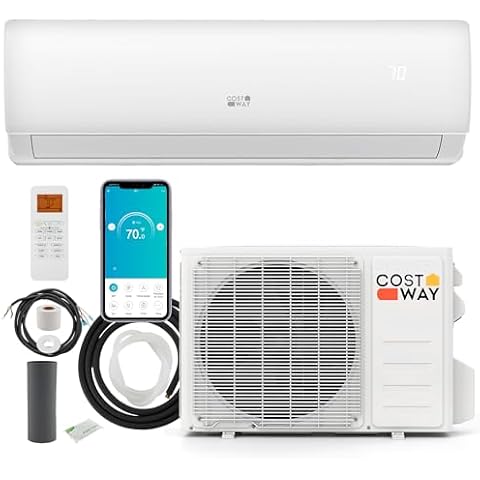
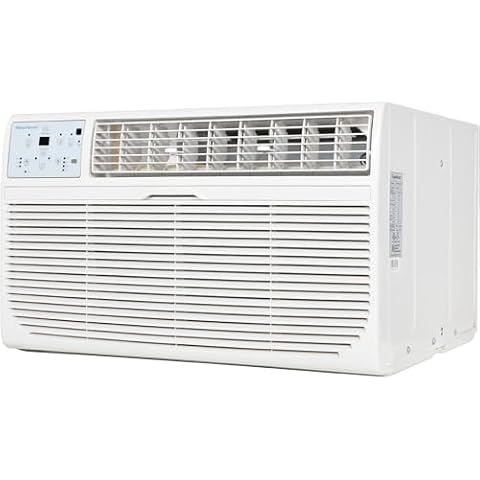
There are several different types of air conditioners to choose from, including window units, portable units, and central air systems. Each has its own set of pros and cons, so it's important to consider which one is best for your needs.
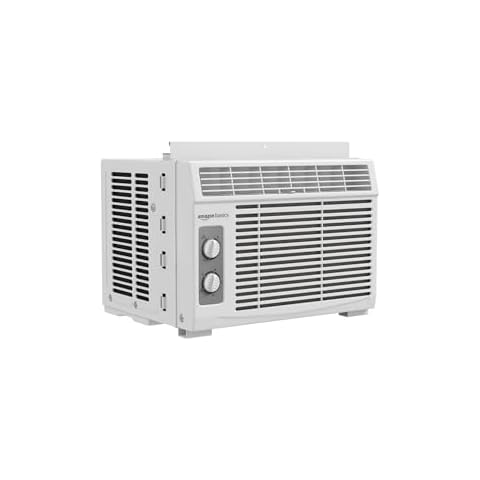
Window units are the most common type of air conditioner and are great for cooling small to medium-sized rooms. They're easy to install and relatively inexpensive, but they can be loud and can block the view out of your window.
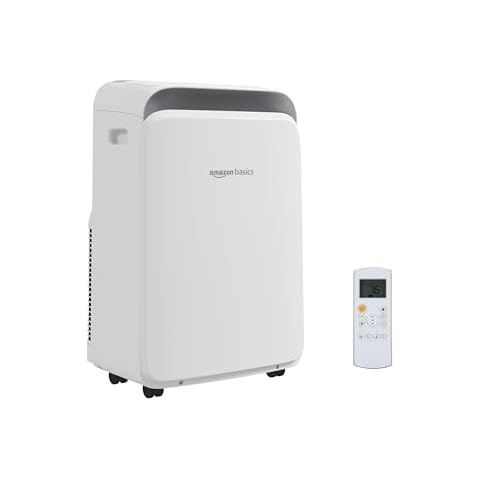
Portable units are similar to window units, but they are freestanding and can be easily moved from room to room. They're a good option if you don't want to install a permanent air conditioner, but they can be noisy and may not be as effective at cooling larger spaces.
Central air systems are the most expensive option, but they are also the most powerful and efficient. These systems cool your entire home using a network of air ducts, and they can be controlled using a thermostat. If you have a large home and are willing to invest in a more expensive system, central air may be the way to go.
Read reviews and ask for recommendations
Before making a purchase, it's a good idea to read reviews of the air conditioners you're considering. Look for units that have a high overall rating and have received positive feedback from customers. You can also ask friends and family for recommendations, as they may have experience with certain brands or models.
By following these tips, you'll be well on your way to finding the perfect air conditioner for your home. Just remember to take your time and do your research, and you'll be enjoying cool, comfortable air in no time.
Maintenance and repair considerations
Another factor to consider when choosing an air conditioner is the cost and frequency of maintenance and repairs. While it's impossible to predict when something may go wrong with your air conditioner, it's always a good idea to choose a unit that has a solid reputation for reliability and durability. You may also want to consider purchasing an extended warranty, which can help to protect you from unexpected repair costs.
It's also a good idea to choose a unit that is easy to maintain. Some units may require more frequent filter changes or other maintenance tasks, which can be a hassle. Look for a unit that has a simple and straightforward maintenance process, and make sure to follow the manufacturer's recommendations for upkeep.
Conclusion
Choosing an air conditioner can be a daunting task, but with a little research and careful consideration, you can find the perfect unit for your needs. Remember to consider your budget, the size of the room or area you want to cool, and the type of air conditioner that will best meet your needs. Don't forget to read reviews and ask for recommendations, and consider the maintenance and repair considerations as well. With these tips in mind, you'll be able to find the perfect air conditioner to keep you cool and comfortable all summer long.
Frequently Asked Questions (FAQs)
1. Are there AC units that don't require a window?
Yes, there are AC units called ventless air conditioners that do not require a window or an external cooling unit. These ventless air conditioners use a different cooling method or a different design for the exhaust vent, eliminating the need for an exhaust vent like a window.
2. Which AC lasts the longest?
The lifespan of AC units can vary depending on the type. On average, portable AC units last around 5-10 years, residential single whole-home AC units last about 15 years, central air-source heat pumps can last up to 15 years (or even up to 20-25 years with proper maintenance and insulation), and ductless mini-split AC systems (heat pumps) can last up to 20 years.
3. How big should AC unit be for 1800 sq ft house?
For an 1800 sq ft house, you would need a central air conditioning unit with a capacity of around 3 tons. It is recommended to have approximately 20 BTUs per square foot, which translates to 0.0016 tons per square foot. By this calculation, a 600 sq ft space would require a 1-ton unit, and an average 1800 sq ft house would need a 3-ton unit.
4. Do ventless air conditioners really work?
Yes, ventless air conditioners do work. Unlike traditional air conditioners, they do not use a refrigeration process or compressor to produce hot air that needs to be vented. Instead, ventless air conditioners use a different cooling method and do not reduce the overall temperature inside a room or dry the air like traditional air conditioners do.
5. What is the average life expectancy of an AC?
The average life expectancy of a well-maintained high-efficiency air conditioning system is around 15 to 20 years. However, the lifespan of an AC unit can vary depending on factors such as maintenance, usage, and environmental conditions. With proper care and regular maintenance, you can expect your AC unit to provide reliable cooling for a good number of years.
6. What is the normal lifespan of an air conditioner?
The normal lifespan of an air conditioner can vary depending on factors such as the model, maintenance, and environmental conditions. On average, modern air conditioners can last between 15 to 20 years, while older air conditioners typically last around 10 to 12 years. It is important to properly maintain and care for your air conditioner to maximize its lifespan.