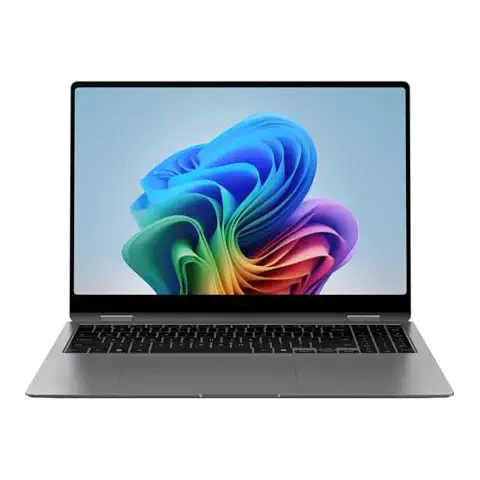
Touch Screen Gaming Laptops Buying Guide: What You Need to Know
Touch screen gaming laptops are becoming increasingly popular among gamers as they offer a more immersive and interactive experience. These laptops feature a touch-sensitive display that allows users to interact directly with the screen, providing a more tactile and intuitive experience. In this buying guide, we will discuss the key factors to consider when purchasing a touch screen gaming laptop.
Touch screen technology
One of the most important factors to consider when buying a touch screen gaming laptop is the type of touch screen technology used. There are two main types of touch screen technology - capacitive and resistive. Capacitive touch screens are more responsive and accurate, but are more expensive to produce. Resistive touch screens are less responsive and accurate, but are more affordable.
Graphics card
Another key factor to consider when purchasing a touch screen gaming laptop is the graphics card. A powerful graphics card is essential for smooth and detailed graphics, as well as for playing the latest and most demanding games. Look for laptops with dedicated graphics cards, such as NVIDIA or AMD, rather than integrated graphics.
Processor
In addition to a powerful graphics card, a touch screen gaming laptop should also have a fast and efficient processor. A high-performance processor will ensure that the laptop can handle demanding games and multitasking without any lag or slowdown. Look for laptops with at least an Intel Core i5 or AMD Ryzen 5 processor.
Memory and storage
Another important factor to consider is the amount of memory and storage in the laptop. Memory, also known as RAM, is essential for smooth and efficient performance, while storage is important for storing games and other files. Look for laptops with at least 8GB of RAM and 256GB of storage.
Display
The display is another crucial factor to consider when purchasing a touch screen gaming laptop. A high-resolution and high-refresh-rate display will provide crisp and detailed graphics, as well as smooth and fluid gameplay. Look for laptops with at least a 1080p resolution and a refresh rate of at least 60Hz.
Battery life
Finally, consider the battery life of the touch screen gaming laptop. Gaming laptops are known for their high power consumption, so a long-lasting battery is essential for extended gaming sessions. Look for laptops with at least 8 hours of battery life.
Conclusion
In conclusion, touch screen gaming laptops offer a more immersive and interactive gaming experience. When purchasing a touch screen gaming laptop, consider the touch screen technology, graphics card, processor, memory and storage, display, and battery life. By considering these factors, you can find the perfect touch screen gaming laptop for your needs and budget.
Frequently Asked Questions (FAQs)
1. Is there a gaming laptop with touchscreen?
Yes, there are gaming laptops available with touchscreens. One example is the ASUS New ROG Flow, which features a 16" WQXGA touchscreen, AMD R9-6900HS processor, NVIDIA GeForce RTX 3060 V6G Graphics, and high-performance components.
2. Is it good to buy a laptop with touch screen?
Buying a laptop with a touchscreen can be a good choice. Touchscreen laptops often have brighter displays with superior color vibrancy and accuracy compared to non-touchscreen models. They also tend to feature higher resolution displays. However, it's important to note that glossy touchscreen displays generally respond better to touch than matte ones.
3. Are touchscreen laptops long lasting?
Touchscreen laptops may have slightly shorter battery lives compared to non-touchscreen laptops. The touch feature can consume more power, leading to faster battery drain. This means you may need to charge them more frequently, which can be inconvenient, especially for users who are constantly on the go.
4. What are the disadvantages of touch screen laptop?
There are a few disadvantages to consider when it comes to touch screen laptops. Extended use of touch screen laptops can lead to discomfort in the hands, eyes, neck, or back, potentially causing computer vision syndrome and tingling in the hand and arm. Touch screen laptops also tend to have shorter battery life, higher price tags, less durability, and can be heavier compared to non-touchscreen models.
5. What are the disadvantages of touch screen computer?
Some drawbacks of touch screen computers include the need for the user to be within reach of the screen to operate it, which can limit flexibility. Hands and fingers may also obscure the screen while selecting options. Additionally, touch screen devices that rely on batteries tend to consume more power, leading to faster battery drain.