Frequently Asked Questions (FAQs)
1. Are rubber nets better for fish?
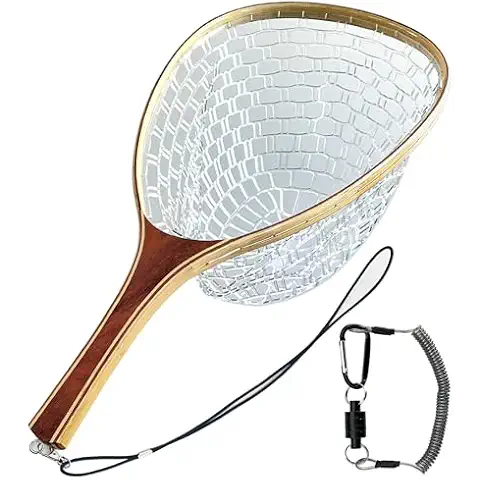
Yes, rubber nets are better for fishing as they greatly reduce harm to fish. Unlike nylon nets with knots, rubber nets don't remove scales or the protective slime coating on fish, making them ideal for catch-and-release fishing. Additionally, rubber nets are less likely to tangle with hooks and tackle.
2. Are rubber landing nets good?
Rubber landing nets are excellent for many fish species. They don't scrape off the protective slime that makes fish slippery, making them perfect for catch-and-release fishing. If you plan to release your fish, a rubber net is the best choice.
3. Are rubber nets better for trout?
Yes, rubber nets are better for trout fishing. They put less stress on the fish and increase their chances of survival after being caught. Unlike string or nylon nets, rubber nets remove less of the fish's protective slime. Additionally, using a rubber net can save time.
4. What is the best material for fishing nets?
The best material for fishing nets is rubber or a rubber-like material. Rubber nets are slick and won't scrape off the protective slime on a fish's skin. They are also durable, making them ideal for fishing.
5. What are the different types of nets for fishing?
There are four main types of fishing nets: gillnets and entanglement nets, surrounding nets, seine nets, and trawls. These nets are used for various fishing techniques and purposes.
6. What action is best for trout fishing?
For conventional bait or lure fishing for trout, a medium-action spinning or casting rod with a complementary reel is a good starting point. It is recommended to invest in good but not overly expensive equipment for trout fishing.
7. Why can't you touch trout with dry hands?
You should never handle a fish, such as trout, with dry hands. Handling a fish with dry hands can remove the protective slime coating on the fish's skin, which is essential for their health. It is recommended to use a net when landing a fish to keep it wet while preparing to remove the lure, fly, or hook.