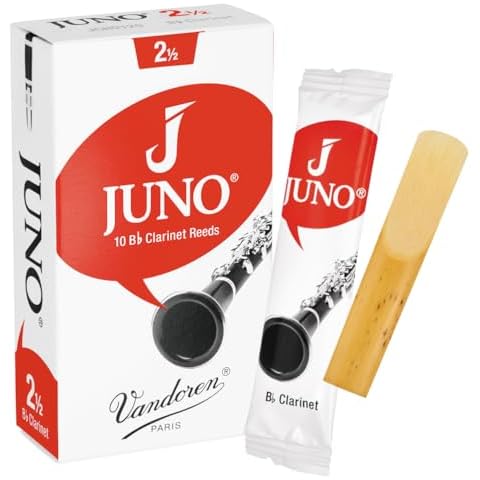
All You Need to Know About Buying Clarinet Reeds
Introduction
The clarinet is a versatile and beloved instrument, capable of producing a wide range of beautiful tones. A crucial component of the clarinet is the reed, which vibrates to produce sound. Choosing the right reed can be a daunting task, but fear not! In this article, we will explore the different factors to consider when selecting clarinet reeds.
Hardness
One of the most important factors to consider when choosing clarinet reeds is hardness. Clarinet reeds are available in different degrees of hardness, from very soft to very hard. Softer reeds are easier to blow and produce a warmer, more mellow sound, while harder reeds are more resistant and produce a brighter, more focused sound.
The ideal hardness for a clarinet reed will depend on the individual player's mouthpiece, playing style, and personal preferences. For beginners, it is generally recommended to start with a medium-soft reed and adjust from there. Experimenting with different hardness levels is a great way to find the perfect reed for your setup.
Thickness
In addition to hardness, clarinet reeds also come in different thicknesses. Thicker reeds produce a bigger, bolder sound and are better suited for powerful playing, while thinner reeds produce a more delicate, refined sound and are better suited for more nuanced playing.
As with hardness, the ideal thickness for a clarinet reed will depend on the individual player's mouthpiece, playing style, and personal preferences. Experimenting with different thicknesses is a great way to find the perfect reed for your setup.
Brand and Material
When it comes to clarinet reeds, not all brands and materials are created equal. Some popular brands of clarinet reeds include Vandoren, Rico, and La Voz. Each brand has its own unique characteristics and qualities, so it's worth trying out a few different brands to see which one works best for you.
In addition to brand, clarinet reeds are also made from different materials, such as bamboo, plastic, or synthetic fibers. Bamboo reeds are the most traditional and offer a warm, rich sound, while plastic and synthetic reeds are more consistent and durable. Again, the ideal material for a clarinet reed will depend on the individual player's preferences and needs.
Conclusion
Choosing the right clarinet reeds can be a daunting task, but by considering hardness, thickness, brand, and material, you can find the perfect reeds for your setup and playing style. Don't be afraid to experiment and try out different options to find the reeds that work best for you.
Frequently Asked Questions (FAQs)
1. How long does a clarinet reed usually last?
The lifespan of a clarinet reed can vary depending on usage. For beginners, reeds can last up to six months. However, as you play and practice more frequently, reeds may need to be replaced every 2-4 weeks. It's important to become familiar with the condition of your reeds and replace them when necessary to maintain optimal sound quality.
2. Do you have to wet a clarinet reed?
Yes, it is necessary to wet a clarinet reed before playing. This applies especially to double reeds, which should be soaked in a cup of water before use. After playing, remove the reed from the mouthpiece, wipe off any excess moisture, and store it in a reed case or guard. Use a cleaning cloth to remove any additional moisture from the reed.
3. How do you pick a clarinet reed?
To choose a good clarinet reed, wet all the reeds in a box and give each one a test blow. Look for reeds that allow air to flow easily, without requiring excessive force. Selecting reeds that are responsive and easy to play will enhance your overall clarinet experience.
4. Is it OK to leave the reed on the mouthpiece?
It is recommended to remove the reed from the mouthpiece after playing. Wipe off any excess moisture from the reed and store it in a reed guard or case. Leaving the ligature on the mouthpiece helps prevent it from getting bent. It's important to keep your clarinet in its case when not in use to protect both the instrument and the reed.
5. Why are clarinet reeds so expensive?
Clarinet reeds can be expensive due to the production process and the cost of materials. The manufacturing process is time-consuming and requires skilled labor. Additionally, the production of reeds often takes place in expensive locations. The cost of land, labor, and materials contribute to the overall price of clarinet reeds.
6. How long should I soak my clarinet reed?
Before playing, it is recommended to soak the clarinet reed for no more than 30 seconds. This ensures that the reed is moist but not waterlogged. Soaking the reed for a short period of time helps prevent warping and extends its lifespan. It's important to find the right balance of moisture for optimal performance.
Editor's Notes
During our clarinet reed research, we found 24 clarinet reed products and shortlisted 10 quality products. We collected and analyzed 191,271 customer reviews through our big data system to write the clarinet reeds list. We found that most customers choose clarinet reeds with an average price of $23.25.
The clarinet reeds are available for purchase. We have researched hundreds of brands and picked the top brands of clarinet reeds, including Vandoren, D'Addario, Xelsluthe, Sovvid. The seller of top 1 product has received honest feedback from 384 consumers with an average rating of 4.7.