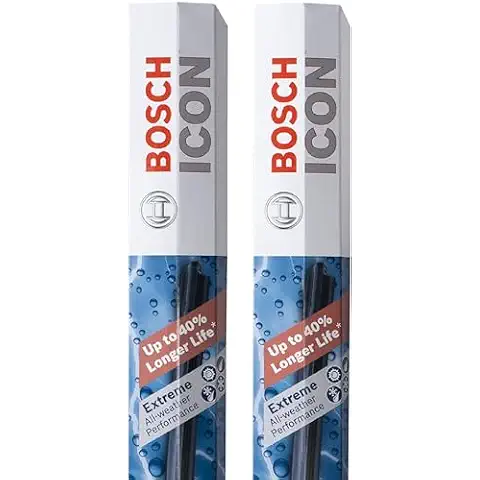
A Guide to Selecting the Best Windshield Wiper Blades for Your Car
Understanding the Different Types of Wiper Blades
When it comes to maintaining your vehicle, the wiper blades may not be at the top of your list of priorities. However, having clean and functional wiper blades is essential for safe driving, especially during inclement weather.
There are several types of wiper blades available on the market, and choosing the right one for your vehicle can be overwhelming. Here is a breakdown of the most common types:
Traditional Wiper Blades
These are the most basic and economical option. They consist of a metal or plastic frame with a rubber blade that wipes the windshield. Traditional wiper blades are prone to wear and tear and may not provide the best visibility in heavy rain or snow.
Beam Blades
Beam blades, also known as "aerodynamic" or "frameless" blades, are a more recent development in wiper technology. They have a sleek, streamlined design that follows the contour of the windshield, providing better wiping performance and reducing wind lift. Beam blades are more durable and less prone to damage from extreme temperatures and debris, but they may be more expensive than traditional blades.
Hybrid Blades
As the name suggests, hybrid blades combine elements of traditional and beam blades. They have a more traditional metal frame, but the wiping edge is made of a flexible polymer material similar to beam blades. Hybrid blades offer a good balance of performance and affordability.
Measuring and Choosing the Right Size
Before you purchase new wiper blades, it's important to measure the length of your current blades to ensure you get the correct size. You can find the size information in your vehicle's owner's manual or by using an online tool or the manufacturer's website.
Once you have the size, you can start shopping for your new wiper blades. Make sure to choose a reputable brand, as low-quality wiper blades may not perform well and may even damage your windshield.
It's also a good idea to consider the climate and driving conditions in your area. If you live in a region with harsh winters and frequent snowfall, you may want to invest in wiper blades with a heavy-duty design and ice repelling capabilities. On the other hand, if you live in a sunny and dry area, you may not need as much coverage and can opt for a more basic blade.
Replacing Your Wiper Blades
Replacing your wiper blades is a relatively easy DIY task that can be done in a few simple steps:
- Lift the wiper arm away from the windshield.
- Look for the attachment point where the wiper blade meets the wiper arm. It may be a clip, a hook, or a tab.
- Release the attachment point and gently pull the wiper blade away from the arm.
- Align the new wiper blade with the wiper arm and secure the attachment point.
- Repeat the process for the other wiper blade.
It's also a good idea to check the condition of the wiper arm itself. If it's bent or damaged, it may not provide sufficient pressure to the wiper blade, causing it to skip or streak.
Maintaining Your Wiper Blades
Proper maintenance of your wiper blades can extend their lifespan and improve their performance. Here are a few tips to follow:
- Avoid using your wipers to remove snow or ice from the windshield. Use a scraper or a de-icing solution instead.
- Clean your wipers regularly to remove dirt, dust, and debris that may reduce the wiping efficiency. You can use a soft cloth or sponge and a mild detergent to gently wipe the blades.
- If you notice that your wiper blades are leaving streaks or missing spots, try running them through a cleaning solution specifically designed for wiper blades. These solutions can help remove grime and build-up that may be causing the issue.
- If your wiper blades are visibly worn or damaged, it's time to replace them. Don't wait until they completely fail, as this can be dangerous while driving.
Conclusion
Choosing the right wiper blades for your vehicle and maintaining them properly can make a big difference in your driving experience. By following the tips outlined above, you can ensure that your wipers are performing at their best and keeping your windshield clear and clean.
Frequently Asked Questions (FAQs)
1. How do I know which wiper blades to buy?
To know which wiper blades to buy, refer to your vehicle's manual. It should provide information on the size of wiper blades needed for each side of the windshield and may even recommend a specific brand. Some vehicles have different size requirements for the driver and passenger sides, so make sure to read carefully before purchasing replacement wiper blades.
2. What are the different types of windshield wipers?
There are three main types of windshield wipers: conventional, flat, and hybrid. If your car originally came with conventional wipers, you can upgrade to flat or hybrid wipers for improved performance and aesthetics.
3. What size windshield wipers for Nissan Altima?
For a Nissan Altima, the recommended wiper blade sizes are 26 inches for the driver's side and 17 inches for the passenger side.
4. Is there a difference in wiper blades?
Yes, there are differences in wiper blades. Conventional blades tend to squeegee windshields less evenly compared to beam blades. Premium beam blades are made with high-strength steel and high-quality rubber, making them last longer and perform better in harsh road conditions.
5. Do cars have different size wiper blades?
Yes, some cars have different size wiper blades for the driver and passenger sides. The optimal wiper blade size is determined by the manufacturer to ensure proper fit and maximum coverage of the windshield.