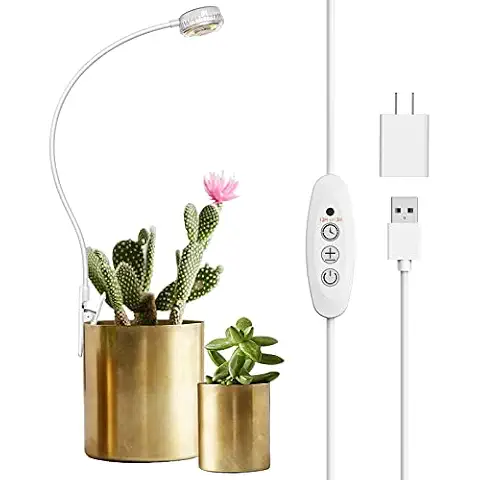
The Definitive Plant Growing Lamps Buying Guide
Introduction
For those who are new to indoor gardening, choosing the right plant growing lamp can seem like a daunting task. With so many options on the market, it can be difficult to know which one is best for your plants. In this article, we will discuss some key factors to consider when selecting a plant growing lamp, as well as provide some helpful tips for using these lamps to help your plants thrive.
Factors to Consider
When choosing a plant growing lamp, there are several factors to consider. These include the type of plants you are growing, the size of your growing space, and the amount of light your plants need.
Type of Plants
The type of plants you are growing will play a major role in determining the type of lamp you need. Different plants have different light requirements, so it is important to choose a lamp that is specifically designed for the plants you are growing. For example, if you are growing low-light plants such as ferns and philodendrons, you will need a lamp that provides a lower intensity of light. On the other hand, if you are growing plants that require a lot of light, such as succulents and cacti, you will need a lamp with a higher intensity of light.
Size of Growing Space
The size of your growing space will also affect the type of lamp you need. If you have a small growing space, you will need a lamp with a lower intensity of light to prevent your plants from overheating. On the other hand, if you have a large growing space, you may need a more powerful lamp to provide enough light for all of your plants.
Amount of Light
The amount of light your plants need is another important factor to consider when choosing a plant growing lamp. Plants require a certain amount of light in order to photosynthesize and grow properly. If your plants are not receiving enough light, they may become leggy, weak, and less likely to thrive. On the other hand, if your plants are receiving too much light, they may become scorched or stressed. It is important to choose a lamp that provides the right amount of light for your plants.
Tips for Using Plant Growing Lamps
Once you have chosen the right plant growing lamp for your plants, there are several tips you can follow to help your plants thrive. These include:
-
Positioning the lamp correctly. The lamp should be positioned close to your plants, but not so close that it burns them. It is also important to position the lamp in a way that provides even light coverage across all of your plants.
-
Providing the right amount of light. As mentioned above, it is important to provide your plants with the right amount of light. This means using a timer to ensure that your plants receive the correct amount of light each day.
-
Monitoring your plants. It is important to monitor your plants regularly to ensure that they are receiving the right amount of light and that the lamp is functioning properly.
Conclusion
In conclusion, choosing the right plant growing lamp is an important step in ensuring the success of your indoor garden. By considering the type of plants you are growing, the size of your growing space, and the amount of light your plants need, you can choose a lamp that will help your plants thrive. By following the tips outlined above, you can ensure that your plants receive the right amount of light to help them grow and flourish.
Frequently Asked Questions (FAQs)
1. Do plant lamps really work?
Yes, plant lamps, also known as grow lights, do work. They replicate the photons that plants need for photosynthesis, converting sunlight into energy. While they are not as good as natural sunlight, they can still provide adequate light for plant growth. It's important to hang the lights close to the plants for optimal results.
2. Are LED lamps good for growing plants?
Yes, LED lamps are good for growing plants. They are a popular choice, especially for new growers, because they don't generate excessive heat. LED grow lights provide the necessary light spectrum for plants to thrive and are relatively easy to use.
3. Can any LED light be used as a grow light?
While regular LED lights can be used for plant growth, LED grow lights are recommended for better results. Regular LEDs produce white light, which is beneficial for general plant growth. However, plants require specific blue and red light spectrums to thrive, which are provided by LED grow lights.
4. What is the difference between a lamp and a grow light?
The main difference between a lamp and a grow light is the intensity of light and energy output. Grow lights are more powerful than regular household light bulbs and emit a higher intensity of light. This increased intensity promotes higher rates of photosynthesis in plants, resulting in better growth.
5. How long should you leave a grow light on house plants?
For effective plant growth, it is recommended to leave grow lights on for at least 8-10 hours a day, although this can vary up to 16 hours depending on the specific conditions. LED grow lights are popular for their energy efficiency when used for extended periods. It's important to position the grow light above the plant for optimal light exposure.
6. What are the disadvantages of LED grow lights?
LED grow lights tend to be more expensive than other types of lighting, such as traditional fluorescent and HID systems. Additionally, LED lights generally have a shorter lifespan, requiring replacement sooner than other types of lights.
7. What is the difference between grow lights and LED lights?
While general-purpose LED lights provide white light, grow lights emit greater amounts of red and blue spectrums. These spectrums are ideal for stimulating photosynthesis in plants and promoting their growth.