Frequently Asked Questions (FAQs)
1. Are fly tying kits worth it?
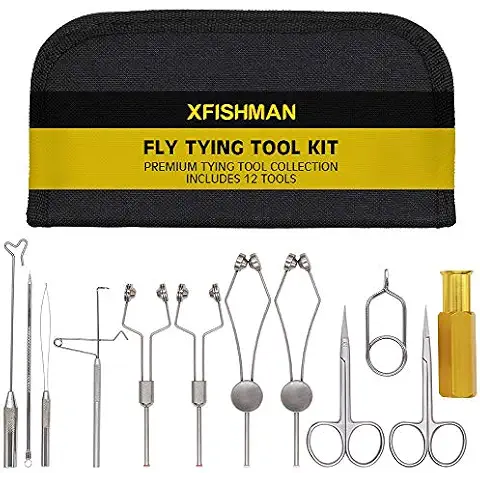
While fly tying kits may initially seem like a good deal, as you progress in fly tying, you'll realize that having good quality materials is essential for easier tying and higher quality flies. Kits often don't provide the best tools and materials, so investing in individual tools and materials can be more beneficial in the long run.
The best fly tying tools include a vise, bobbin, hackle pliers, scissors, whip finisher, bodkin, hair stacker, and dubbing twister. A fly tying vise is used to secure the hook while dressing it with fly tying materials, and each tool serves a specific purpose in the fly tying process.
3. What is the easiest fly to tie for beginners?
For beginners, one of the easiest flies to tie is the Woolly Bugger, which is a streamer-type fly. It's a great starting point for learning fly tying and can be tied with basic materials. As you gain experience, you can explore more complex fly patterns.
4. Is tying flies cheaper than buying them?
Fly tying can be an expensive hobby initially, but in the long run, it can be cheaper than buying flies. While the upfront cost of tools and materials can add up, tying your own flies allows you to create a large quantity of flies at a lower cost compared to purchasing them individually.
5. What part of the deer is best for fly tying?
The mask of a deer, which is the hair on its face, is commonly used for fly tying. The hair on the mask comes in various natural colors and textures, making it suitable for tying different sizes of flies. It is particularly useful for tying wings on caddisfly imitations.
6. Are duck feathers good for fly tying?
Yes, feathers from ducks and geese, particularly the whole shoulder feathers, are excellent for fly tying. These feathers can be used for dry fly wings and are tied in the same manner as hackle-point wings. Additionally, cul de canard feathers found around the preen glands of waterfowl can also be valuable for fly tying.
7. What is the best color for fly tying?
The best color of fly to use depends on the water conditions. In clear water and sunny weather, light colors like chartreuse and yellow can reflect light and attract fish. In overcast and murky water, dark colors like black, olive, and brown can provide contrast against the surroundings and be more effective in attracting fish.
8. What is the most difficult fly to tie?
Salmon flies are historically known to be one of the most complex and elaborate artificial flies to tie. They require intricate patterns and a high level of skill to create. However, the difficulty level of tying flies can vary depending on the fly pattern and individual tying skills.