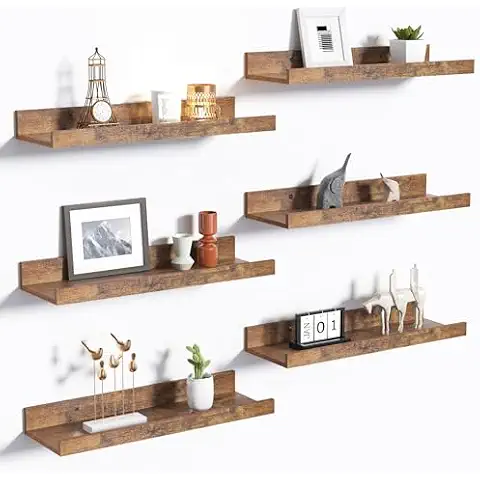
Finding the Best Floating Shelves for Your Home
Floating shelves are a popular and practical addition to any home. They provide additional storage space without taking up valuable floor space, and they can add a touch of style to any room. However, with so many different floating shelves on the market, it can be difficult to know which one to choose. Here are some tips to help you choose the right floating shelves for your home.
Consider Your Needs
Before you start shopping for floating shelves, it's important to consider what you need them for. Are you looking for additional storage space for books, DVDs, or other items? Do you want to display decorative items, such as vases or pictures? Or do you just want to add a touch of style to a room? Knowing what you need the shelves for will help you narrow down your options and choose the right ones for your space.
Measure Your Space
Once you know what you need the shelves for, you'll need to measure the space where you plan to install the shelves. This will help you determine how many shelves you need, and what size they should be. Be sure to measure both the width and the height of the space, and make sure to leave enough room for the items you plan to store on the shelves.
Choose the Right Material
Floating shelves are available in a variety of materials, including wood, metal, and glass. Each material has its own unique look and feel, so choose the one that best fits your personal style and the decor of the room.
Wooden floating shelves are a classic choice and can add a warm, natural touch to any room. They are available in a variety of styles, from sleek and modern to rustic and traditional. Metal floating shelves are a more contemporary option and can add a sleek, industrial look to a space. Glass floating shelves are a great choice for displaying decorative items, as they provide a clear view of the items on the shelf.
Consider the Weight Capacity
When choosing floating shelves, it's important to consider the weight capacity. This will determine how much weight the shelves can hold, which is important if you plan to store heavy items on the shelves. Most floating shelves are rated for a certain amount of weight, so be sure to check the product specifications before making your purchase.
Think About Style
In addition to choosing the right material and size, you'll also want to consider the style of the floating shelves. Do you want shelves that are simple and understated, or do you prefer shelves with more decorative details? The style of the shelves should complement the overall decor of the room, so choose wisely.
Choose the Right Hardware
Installing floating shelves can be a bit of a challenge, especially if you're not a DIY expert. That's why it's important to choose the right hardware. Look for shelves that come with all the necessary hardware and instructions, so you can easily install them yourself.
Consider the Price
Finally, consider the price of the floating shelves. They can range in price from a few dollars to several hundred dollars, depending on the material, size, and style. Determine how much you're willing to spend and then shop around to find the best deal.
In conclusion, choosing the right floating shelves can be a challenging task. But with a little bit of research and careful consideration, you can find the perfect shelves for your home.
Frequently Asked Questions (FAQs)
1. What is the rule for floating shelves?
When it comes to spacing floating shelves, it is recommended to have a distance of 11 to 17 inches between each shelf. This spacing allows for a visually pleasing arrangement and provides enough space for items on the shelves. You can choose to stagger the shelves or keep them in a straight line, depending on your preference.
2. Are floating shelves a good idea?
Yes, floating shelves are a great option for adding storage while taking up less space compared to bulky cabinets. They are versatile and ideal for small spaces. Whether you want to display decorative items or create additional storage, floating shelves are a practical and stylish choice for any home.
3. Can drywall support floating shelves?
If you plan to attach your floating shelf and bracket to a wall stud, you do not need any anchors. However, if you are working with plaster or drywall, additional support is necessary. Wall anchors, such as molly plugs, can provide the needed stability and ensure a sturdy foundation for your floating shelves.
4. Can floating shelves hold a lot of weight?
Floating shelves have a weight capacity of approximately 45-50 pounds for each wall stud that the bracket is attached to. For example, a 3-foot shelf attached to two wall studs can safely support around 100 pounds. It is important to distribute the weight evenly and ensure proper installation for optimal strength and safety.
5. Can you put floating shelves on drywall without studs?
When installing floating shelves on drywall without studs, it is recommended to use wall anchors. Wall anchors provide additional support and prevent damage to the wall and shelves. They are particularly useful in hollow materials like drywall and offer more stability when used in solid materials.