Guidelines for Choosing the Right Dog Bowls
Choosing the Right Dog Bowl
When it comes to feeding your furry friend, choosing the right dog bowl can make a big difference in their health and happiness. Here are a few things to consider when selecting a dog bowl for your beloved pooch.
Size and Capacity
One of the most important factors to consider when choosing a dog bowl is the size and capacity. If your dog's bowl is too small, they may not be able to eat enough to satisfy their hunger, leading to weight loss or other health issues. On the other hand, if the bowl is too large, they may overeat and become overweight, which can also lead to health problems.
To find the right size and capacity for your dog's bowl, consider their size, age, and breed. For example, a small puppy will need a smaller bowl than a large adult dog, and a breed like a Great Dane will need a larger bowl than a Chihuahua.
Material
Dog bowls are made from a variety of materials, including plastic, stainless steel, ceramic, and silicone. Each material has its own advantages and disadvantages, so it's important to choose the one that best suits your dog's needs.
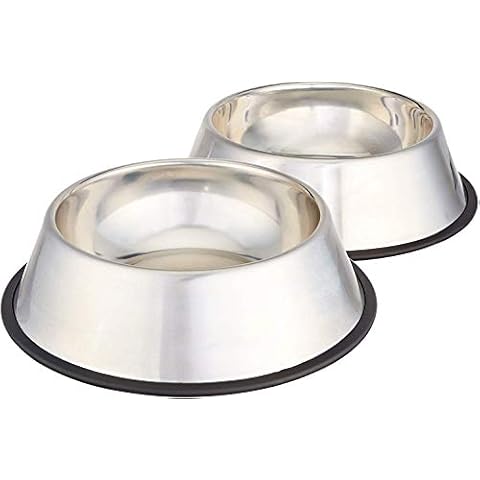
Plastic bowls are lightweight and inexpensive, but they can be prone to scratching and staining, and some dogs may be allergic to the material. Stainless steel bowls are durable and easy to clean, but they can be noisy when your dog is eating, and they can be too heavy for some dogs to pick up. Ceramic bowls are attractive and come in a wide range of colors and designs, but they can be fragile and can be difficult to clean if they get dirty. Silicone bowls are flexible and easy to clean, but they may not be as durable as other materials.
Style
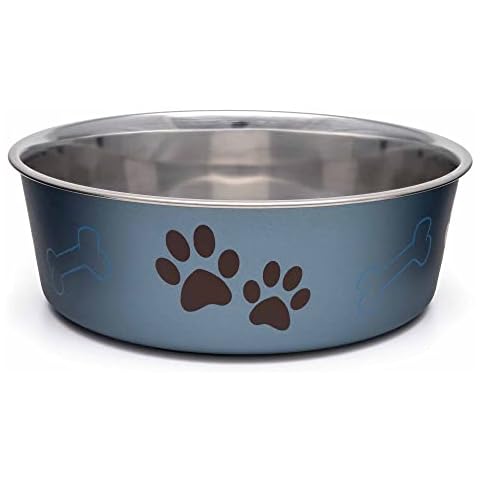
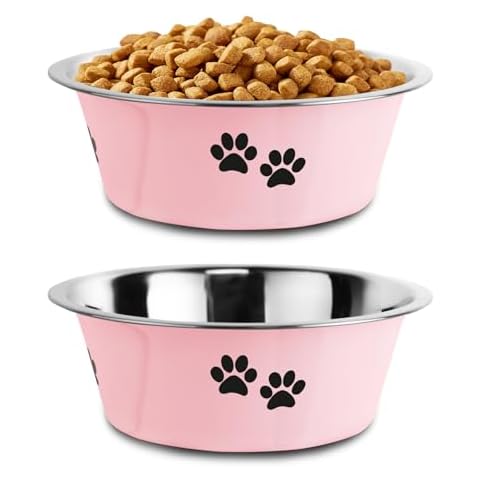
Dog bowls come in a variety of styles, from basic and functional to fancy and decorative. When choosing a style for your dog's bowl, consider their personality and preferences. For example, a playful and energetic dog might enjoy a brightly colored or patterned bowl, while a more reserved dog might prefer a simple and classic design.
Ease of Cleaning
A clean dog bowl is important for your dog's health and hygiene, so choose a bowl that is easy to clean and maintain. Some bowls have removable parts, such as lids or dividers, that make them easier to clean, while others are dishwasher safe for added convenience.
Special Features
Some dog bowls come with special features that can make mealtime more enjoyable for your dog. For example, some bowls have built-in slow feeders to prevent your dog from gobbling down their food too quickly, which can help prevent choking and bloating. Other bowls have non-slip bases to prevent them from sliding around on the floor, which can be especially helpful for older or disabled dogs.
In Conclusion
Choosing the right dog bowl is an important decision that can have a big impact on your dog's health and happiness. By considering factors like size, material, style, and ease of cleaning, you can find the perfect dog bowl for your furry friend.
Frequently Asked Questions (FAQs)
1. Should dogs eat from an elevated bowl?
Elevated bowls are beneficial for most dogs, especially medium and larger breeds. It helps prevent neck and back strain caused by straining down to reach their food. Eating from an elevated bowl ensures a more comfortable and enjoyable mealtime for dogs.
2. What bowls are safe for dogs?
Stainless steel bowls are the safest option for dogs. They are easy to clean and do not leach potentially harmful chemicals into the food or water. Plastic, aluminum, poorly glazed pottery, and old ceramic dishes should be avoided as they may contain toxins that can be harmful to dogs.
3. Are plastic dog bowls OK?
Plastic bowls should be avoided for feeding dogs as they may contain toxins like Bisphenol A (BPA) that can cause health issues. It is important to prioritize the health and safety of our pets by using safer alternatives like stainless steel or glass bowls.
4. What is the most hygienic dog bowl?
The most hygienic dog bowl materials are stainless steel, glass, and ceramic (if properly glazed). Stainless steel and glass bowls are non-porous, making them easy to clean and sanitize. Ceramic bowls should have a glaze to ensure they are non-porous and hygienic.
5. Why are glass bowls better for dogs?
Glass bowls are a good option for dogs because they are non-porous and easy to clean, reducing the risk of harmful bacteria growth. However, it's important to check for chips or cracks in the dish and avoid using it if damaged.
6. Do raised bowls cause bloat in dogs?
According to a study, raised feed bowls were attributed to approximately 20% of cases of GDV (bloat) in large breed dogs and 52% in giant breed dogs. It is recommended to consult with a veterinarian to determine the best feeding method for your dog to prevent bloat.
7. What is the healthiest dog bowl?
The healthiest dog bowl options include food-grade stainless steel that has been tested for heavy metals. Ceramic or stoneware bowls are also good choices as they are easy to clean with a protective glaze. However, it's important to regularly check for chips or cracks and replace them if necessary to prevent bacteria buildup.
8. Why do dogs not like stainless steel bowls?
Dogs may not prefer stainless steel bowls due to the vibrations and clanging noises they can create when the dog's collar hits the bowl. These noises can be distracting and confusing for dogs. It's important to consider your dog's preferences and provide a bowl that they feel comfortable and at ease with.
Editor's Notes
During our dog bowls research, we found 25 dog bowls products and shortlisted 10 quality products. We collected and analyzed 491,235 customer reviews through our big data system to write the dog bowls list. We found that most customers choose dog bowls with an average price of $17.86.
The dog bowls are available for purchase. We have researched hundreds of brands and picked the top brands of dog bowls, including Loving Pets, SOUXU, HB Design Co., GORILLA GRIP, PEGGY11. The seller of top 1 product has received honest feedback from 384 consumers with an average rating of 4.7.