




Basic Information to Help You Figure out the Best DJ Mixers
Introduction
If you're a DJ, you know that a mixer is a crucial piece of equipment. It's the hub of your setup, where you blend together different tracks and manipulate their sound to create a seamless, cohesive mix. But with so many different mixers on the market, it can be overwhelming to try and figure out which one is right for you. In this article, we'll go over some key factors to consider when choosing a DJ mixer.
Size and Portability
One of the first things you'll want to think about when choosing a mixer is its size and portability. If you're a mobile DJ who needs to pack up and move your gear from gig to gig, a compact mixer that's easy to transport is a must. On the other hand, if you have a dedicated home studio or a fixed installation at a club, size may be less of a concern.
Channel Count
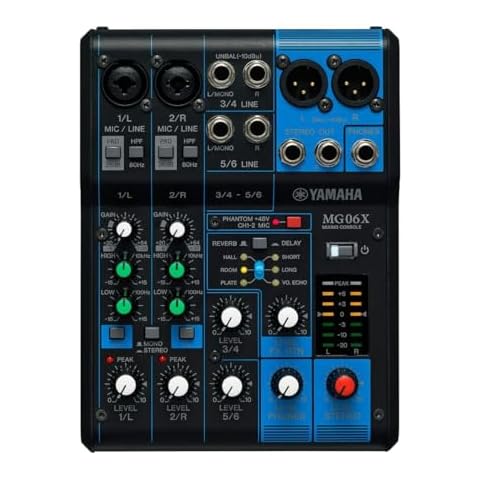
Another important factor to consider is the number of channels on the mixer. A channel is essentially a separate input for a sound source, such as a CD player or a turntable. Most DJ mixers have at least two channels, but if you plan on using more than two sources at once, you'll need a mixer with more channels. Some high-end mixers have as many as eight channels, allowing you to mix together a wide range of sources.
Input and Output Options
In addition to the number of channels, you'll also want to think about the type of inputs and outputs a mixer has. Most DJ mixers have at least one pair of phono inputs for connecting turntables, as well as one or more line-level inputs for CD players or other line-level sources. Some mixers also have additional inputs for instruments or microphones, which can be useful if you want to incorporate live elements into your mixes.
On the output side, most mixers will have at least one pair of main outputs for connecting to a sound system, as well as a separate booth output for the DJ's headphones. Some mixers also have additional outputs, such as a record output for recording your mixes, or an auxiliary output for sending a separate mix to a second sound system.
Effects and Filters
Another key feature to look for in a DJ mixer is the availability of effects and filters. These can add a lot of creative possibilities to your mixes, allowing you to manipulate the sound in real-time. Some mixers have built-in effects, such as delay or reverb, while others allow you to connect external effects units. In addition to effects, some mixers also have filters, such as low-pass or high-pass filters, which can be used to shape the sound of individual tracks.
Price and Brand
Of course, one of the biggest considerations when choosing a mixer is the price. DJ mixers can range in price from a few hundred dollars to several thousand, so it's important to have a budget in mind and to shop around to find the best deal. In addition to price, you may also want to consider the brand of the mixer. Some brands, such as Pioneer or Rane, have a reputation for making high-quality mixers that are popular among professional DJs.
Conclusion
Choosing a DJ mixer can be a daunting task, but by considering factors such as size and portability, channel count, input and output options, effects and filters, price, and brand, you can narrow down your options and find the mixer that's right for you. With the right mixer in your setup, you'll be able to take your DJing to the next level.