
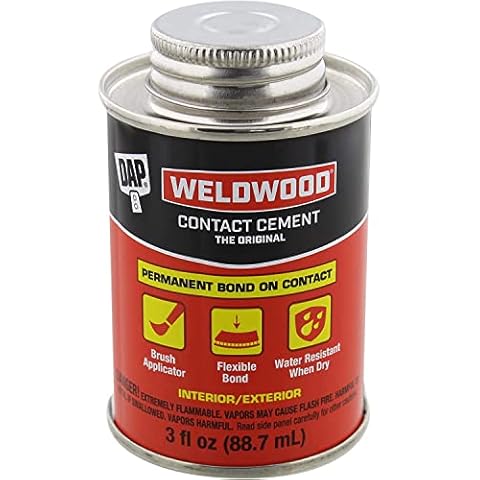


Ready for the Course: How to Buy the Right Contact Cements
Introduction
Contact cement, also known as contact adhesive, is a strong adhesive used for bonding materials together. It is a popular choice for many projects, including laminating, flooring, and furniture making. However, with so many different types of contact cement on the market, it can be difficult to know which one is the best for your project. In this article, we will go over some key factors to consider when choosing a contact cement.
Types of Contact Cement
One of the first things to consider when choosing a contact cement is the type of adhesive you need. There are two main types of contact cement: neoprene and polychloroprene. Neoprene is a synthetic rubber that is highly resistant to water, oil, and UV light. It is a good choice for outdoor projects or for bonding materials that will be exposed to the elements. Polychloroprene, on the other hand, is a synthetic rubber that is more flexible and has better heat resistance. It is a good choice for bonding materials that will be subjected to high temperatures or a lot of movement.
Drying Time
Another important factor to consider when choosing a contact cement is the drying time. Some contact cements dry very quickly, while others take longer to set. If you are working on a large project or need to bond multiple pieces of material together, a slow-drying contact cement may be the best choice. This will give you plenty of time to position the materials correctly before the adhesive sets. On the other hand, if you are working on a small project or need to bond materials quickly, a fast-drying contact cement may be a better option.
Bond Strength
The bond strength of a contact cement is another important factor to consider. The bond strength refers to the amount of force required to separate two bonded materials. A strong bond is essential for ensuring that your project will hold up over time. When choosing a contact cement, look for one with a high bond strength rating. This will ensure that your project will be sturdy and durable.
VOC Content
Contact cements can contain volatile organic compounds (VOCs), which are chemicals that can be harmful to the environment and to your health. VOCs can cause a variety of health problems, including eye, nose, and throat irritation, headaches, and dizziness. When choosing a contact cement, look for one with a low VOC content. This will help to protect the environment and your health.
Conclusion
Choosing the right contact cement for your project can be a daunting task. However, by considering factors such as the type of adhesive, drying time, bond strength, and VOC content, you can find the perfect contact cement for your needs. With the right adhesive, your project will be sturdy, durable, and safe for both you and the environment.