Deciding which Non-Toxic Coffee Makers is Best for Your House
Choosing a Non-Toxic Coffee Maker
Coffee is a daily ritual for many people, but the materials used in coffee makers can potentially leach harmful chemicals into your brew. Traditional coffee makers, particularly those with plastic parts, can contain chemicals such as BPA and phthalates, which have been linked to a range of health problems. In order to avoid exposure to these chemicals, it's important to choose a non-toxic coffee maker.
Types of Non-Toxic Coffee Makers
There are several types of coffee makers that are considered to be non-toxic. These include:
-
Glass coffee makers: Glass is a safe and non-toxic material that doesn't leach chemicals into your coffee. Glass coffee makers are a good option for those looking for a non-toxic option.
-
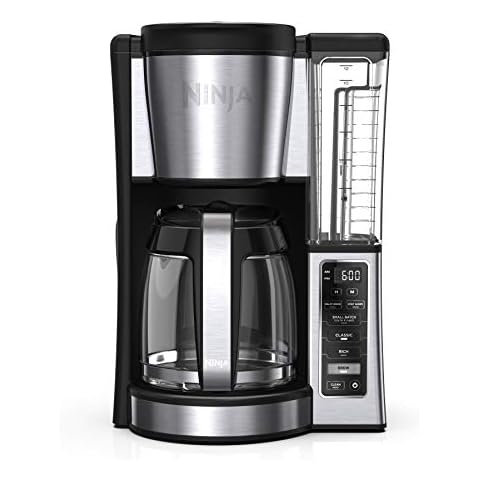
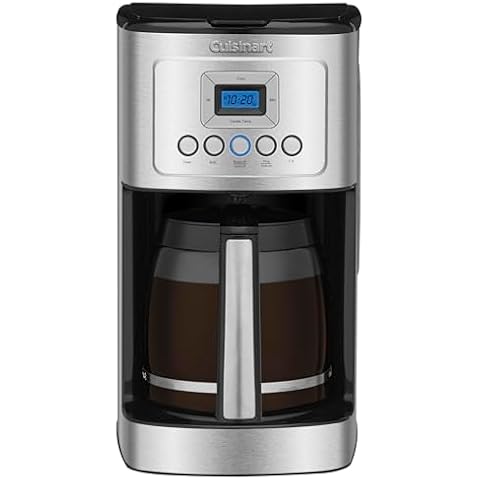
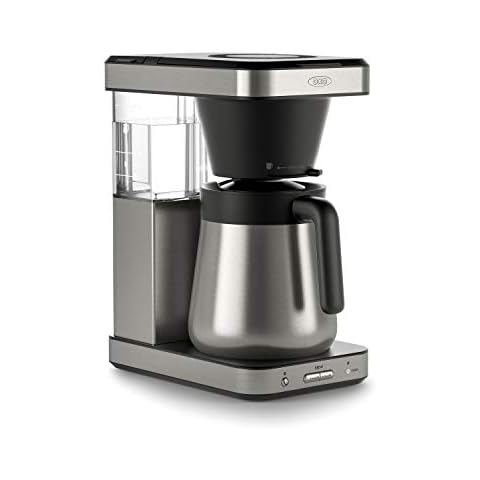
Stainless steel coffee makers: Stainless steel is another safe and non-toxic material that is commonly used in coffee makers. It is durable, easy to clean, and doesn't leach chemicals into your coffee.
-
Ceramic coffee makers: Ceramic is another non-toxic material that is commonly used in coffee makers. It is a natural and sustainable material that doesn't leach chemicals into your coffee.
Choosing the Right Non-Toxic Coffee Maker
When choosing a non-toxic coffee maker, there are a few key factors to consider:
-
Material: As discussed above, the material of the coffee maker is important. Glass, stainless steel, and ceramic are all non-toxic materials that are safe to use in coffee makers.
-
Size: Consider the size of the coffee maker and how much coffee you typically brew. If you only make coffee for one or two people, a smaller coffee maker may be sufficient. If you frequently have guests or need to brew large quantities of coffee, a larger coffee maker may be more practical.
-
Features: Look for a coffee maker that has the features you want, such as a programmable timer, automatic shut-off, or a thermal carafe.
-
Price: Non-toxic coffee makers can vary in price, so consider your budget when making your decision.
Conclusion
Choosing a non-toxic coffee maker is an important step in reducing your exposure to harmful chemicals. Glass, stainless steel, and ceramic are all safe and non-toxic materials that are commonly used in coffee makers. Consider the size, features, and price when selecting the right coffee maker for your needs.
Frequently Asked Questions (FAQs)
1. What is the least toxic way to make coffee?
The Pour Over method is considered one of the least toxic ways to make coffee. It typically uses a glass carafe and a metal filter, which helps preserve the coffee's natural oils and produces a healthier cup of coffee.
2. Are there any coffee makers that don't use plastic?
Yes, there are several coffee makers that don't use plastic. Some options include French Presses, Chemex Pour-Over, Stainless Steel Coffee Makers, Glass Coffee Makers, Moka Pot, Percolators, Ceramic Coffee Makers, and Stovetop Espresso Makers. These alternatives offer non-toxic brewing methods without the use of plastic.
3. Are Keurig coffee makers non-toxic?
Keurig coffee makers may not be considered non-toxic. While many Keurig pods are now BPA-free, they may still contain other potentially harmful chemicals. Additionally, Keurigs are known for mold growth, which can contaminate the coffee and pose health risks.
4. Do plastic coffee makers leach chemicals?
Plastic coffee makers can potentially leach chemicals into the coffee, especially if the plastic is damaged or exposed to boiling water for extended periods. To minimize exposure, it is recommended to choose coffee makers with minimal plastic contact, opt for shorter and cooler brews, and avoid coffee makers with plastics known to contain harmful chemicals.
5. What coffee has the least chemicals?
Organic coffee is generally the best option for reducing pesticide exposure and minimizing the presence of chemicals in your cup of coffee. Look for coffee that is USDA certified organic, as well as certified by organizations like the Smithsonian Institute Bird Friendly and Rainforest Alliance, which ensure sustainable and environmentally friendly farming practices.
6. Should I worry about plastic in coffee maker?
If your coffee maker is primarily made of glass and stainless steel, there is generally no need to worry about plastic. However, if your coffee maker contains cheaper plastics that may contain harmful chemicals like BPAs and PFAS, there may be some cause for concern. To minimize toxicity risks, maintain your coffee maker well, use filtered water, and opt for shorter brewing times.
7. How do you prevent Microplastics in coffee?
To prevent microplastics in your coffee, choose reusable cups or mugs instead of single-use cups. Many single-use cups are lined with a thin plastic coating that can leach microplastics into hot beverages. By using reusable cups, you can reduce your exposure to these particles.
8. Why not to use a Keurig?
There are a few reasons why some people choose not to use Keurig machines. One reason is their environmental impact, as the single-use coffee pods generate a significant amount of waste that is often not recyclable. Additionally, Keurig machines require regular cleaning and descaling, and the needle that punctures the coffee pods can become clogged over time, affecting performance.
Editor's Notes
During our non-toxic coffee maker research, we found 24 non-toxic coffee maker products and shortlisted 10 quality products. We collected and analyzed 711,338 customer reviews through our big data system to write the non-toxic coffee makers list. We found that most customers choose non-toxic coffee makers with an average price of $46.30.
The non-toxic coffee makers are available for purchase. We have researched hundreds of brands and picked the top brands of non-toxic coffee makers, including COSORI, Ninja, Cuisinart, Taylor Swoden, Hamilton Beach. The seller of top 1 product has received honest feedback from 385 consumers with an average rating of 4.7.
Rebecca Cantu grew up in a family-owned retail store for home and kitchen products. She worked online and gave assistance to people to buy ideal products for their sweet home after graduating from Northwestern University with a marketing degree. She has been writing content for online shopping guides since 2011 with her professional knowledge and natural sensitivity of appliances.