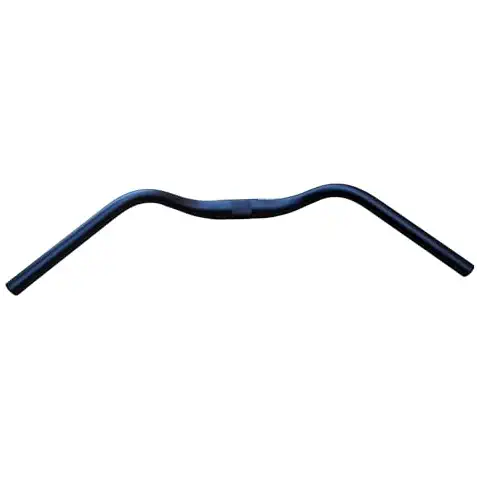
Learn More About Purchasing the Integrated Bike Handlebars
Introduction
Integrated handlebars are becoming increasingly popular among cyclists, due to the enhanced aerodynamics and improved control they offer. The integrated handlebar is one piece of equipment that can make or break your cycling experience, so it’s important to choose the right one for your needs. In this article, we’ll explore the various types of integrated bike handlebars, their features, and how to select the best one for you.
Types of Integrated Bike Handlebars
There are several types of integrated bike handlebars available on the market today. The most popular are drop handlebars, flat handlebars, and bullhorn handlebars.
Drop Handlebars
Drop handlebars are the most popular type of integrated handlebars and offer the most aerodynamic advantage. They feature a curved shape, with the ends of the handlebars dropping down towards the ground. This shape allows riders to maintain a low, aerodynamic position while riding. The handlebars are available in several widths and can be adjusted to fit the rider’s body type.
Flat Handlebars
Flat handlebars are the most common type of handlebars used by cyclists. They are relatively flat and offer good control, but do not offer the same aerodynamic advantage as drop handlebars. They are available in several widths and are suitable for all types of cycling, from mountain biking to road cycling.
Bullhorn Handlebars
Bullhorn handlebars are another type of integrated handlebars that offer good control and aerodynamics. They feature a curved shape, but with the ends of the handlebars pointing upwards instead of downwards. They are often used in time trials and other races where aerodynamics are important.
Factors to Consider When Choosing Integrated Bike Handlebars
When choosing integrated bike handlebars, there are several factors to consider. These include the type of bike you have, your riding style, and your body type.
Bike Type
The type of bike you have will determine which type of integrated handlebars is best for you. For example, if you are a mountain biker, then flat handlebars may be the best option for you. If you are a road cyclist, then drop handlebars may be the best option.
Riding Style
Your riding style will also affect which type of handlebars is best for you. If you are a competitive cyclist, then bullhorn handlebars may be the best option for you, as they offer the most aerodynamic advantage. If you are a recreational cyclist, then flat handlebars may be the best option for you, as they offer good control and are relatively easy to use.
Body Type
Finally, your body type should be taken into consideration when choosing integrated bike handlebars. If you are a tall rider, then you may need wider handlebars to provide you with more control. If you are a smaller rider, then you may need narrower handlebars to provide you with better aerodynamics.
Conclusion
Choosing the right integrated bike handlebars can make a big difference in your cycling experience. It’s important to consider the type of bike you have, your riding style, and your body type when making your decision. By taking the time to do your research and evaluate your needs, you can ensure you find the perfect handlebars for your cycling needs.
Frequently Asked Questions (FAQs)
1. Are integrated handlebars better?
Integrated handlebars, like the Black Inc Barstem, offer significant aerodynamic advantages and exceptional comfort compared to traditional round bars and separate stem setups. They are considered better in terms of aerodynamics and comfort.
2. What are the benefits of integrated handlebars?
The main advantages of integrated handlebars are their lighter weight and improved aerodynamics. However, it's important to note that integrated handlebars sacrifice adjustability, including stem length and rotational angle of the bars, which may not be suitable for all riders.
3. Why are handlebars so wide now?
Wider handlebars offer several benefits for riders. They provide less sensitive steering, finer control over the front wheel, and increased leverage for turning. Wider bars also create a more stable platform for interacting with the front wheel, which is especially useful in technical terrain.
4. How do you replace integrated handlebars?
To replace integrated handlebars, follow these steps: 1. Prepare your bike, ideally using a bike stand. 2. Remove mounts and loosen levers. 3. Prepare the wheel and brakes. 4. Disconnect hoses. 5. Trim the hoses. 6. Remove the old bars. 7. Fit the new bars. 8. Complete the bar fitting.
5. Why are wider handlebars better?
Wider handlebars are better for mountain biking because they increase comfort, stability, and steering leverage. With longer bikes, wider bars are necessary for effective steering. Additionally, most mountain bikers have a more upright stance compared to road bikers, making wider bars more suitable.
6. Why do people like ape handlebars?
People with back issues often prefer ape handlebars because they promote a more upright posture, reducing the need to hunch over. Ape handlebars also decrease strain on the wrists, elbows, and shoulders, making them more comfortable for long rides.
7. Why are pro taper bars better?
Pro taper bars offer several advantages over conventional bars. Their oversized diameter and lack of crossbars allow the handlebars to flex more, absorbing impacts and providing greater comfort. This design improves rider comfort and reduces fatigue without compromising bar strength.